Stadiums
Omaha Will Own Union Omaha's $140M Stadium: Up to $117M City-Backed, $23M Club Equity

Omaha will own Union Omaha's approximately $140M downtown stadium under a redevelopment agreement the City Council approved 6-0 on 27 Oct 2026, with up to $106.5M of city financing, up to $10.5M of infrastructure reimbursement and $23M of club equity behind it. The league says the stadium lease was approved with it; the lease and the redevelopment agreement will show where repayment risk sits.
The bottom line
- Up to $106.5M of city financing, up to $10.5M of reimbursed infrastructure and $23M of club equity sum to the $140M stadium cost; if the $23M is upfront construction capital, the city fronts about 84% (our arithmetic).
- Union Omaha's legal representative told the Council most of the city's role is financing, not direct city dollars, repaid by team equity, rent and project revenues.
- Repayment draws on a $48M TIF, a state sales tax turn back capped at about $25M over 20 years, and a district occupation tax.
- Rent is reported at $2M a year, under a third of the $6.9M a year that $106.5M would cost at the 2025 planning rate and term, so taxes, team equity and venue income would carry the rest.
- The structure implies the city, as owner and issuer, holds the residual risk; the executed lease will confirm how much the club's commitments absorb.
The story
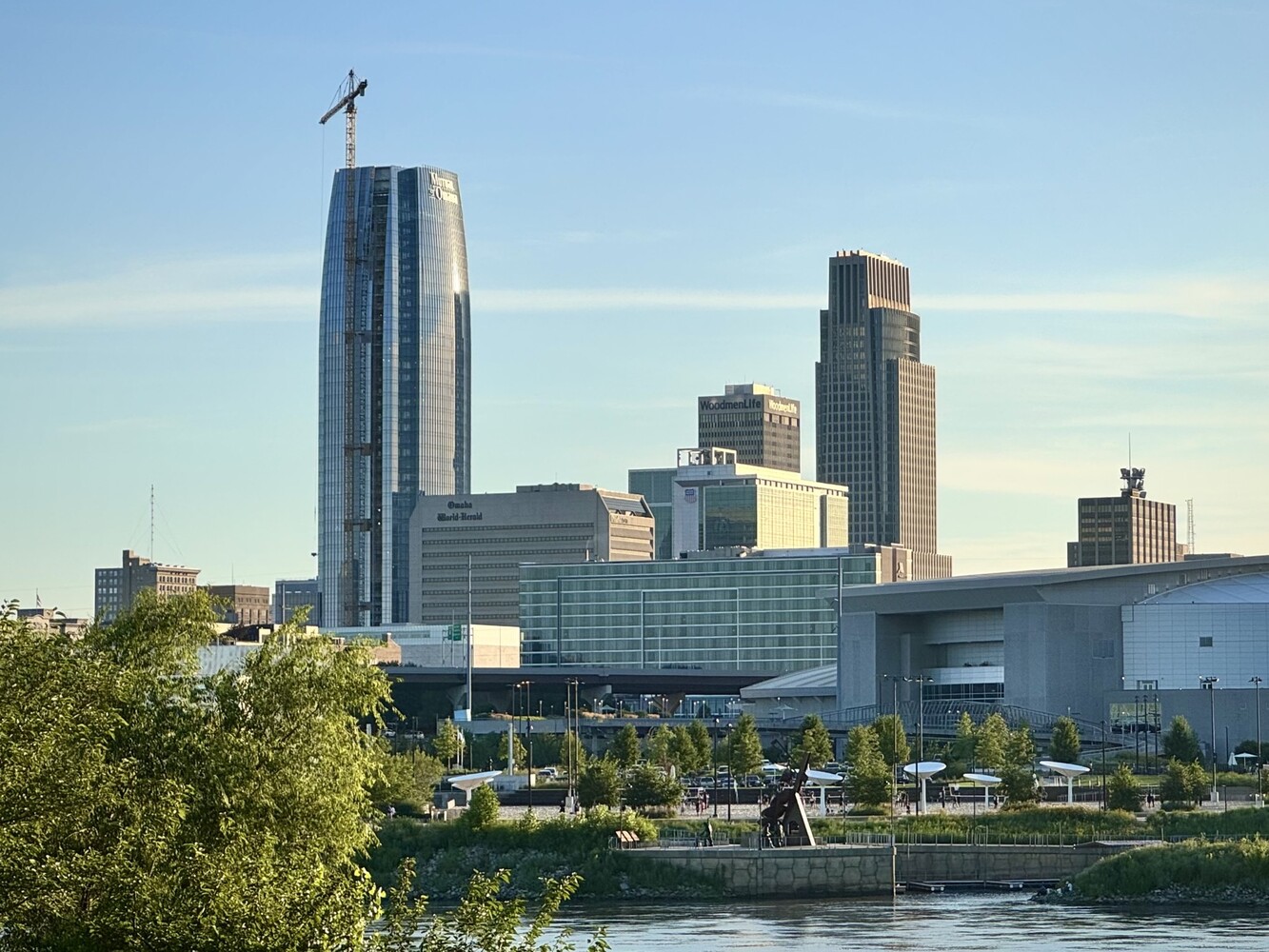
At the November 2025 announcement the stadium carried a $114M figure, which this newsletter used in its headline (3 News Now). That was the anticipated hard cost in the city's November 2025 resolution. The February 2026 state application put projected hard costs at about $125M, with site work, public improvements and soft costs inside that figure (Nebraska Department of Revenue), and later 2026 sources put the stadium at about $140M inside roughly $330M of total investment (USL League One). None of the documents opened for this piece reconciles $125M to $140M.
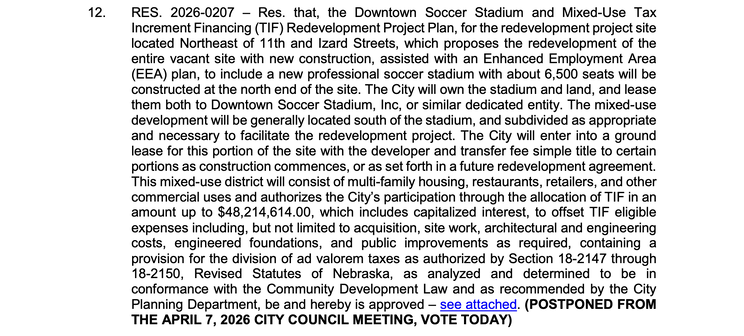
The Council approved a TIF of up to $48.2M, including capitalized interest, 7-0 on 14 Apr 2026 (City Council journal; WOWT). In May the state approved a turn back of 70% of state sales tax generated at or near the stadium for 20 years, capped at about $25M (WOWT). The Council authorized the Union Pacific site purchase at about $18.7M on 16 Dec 2025, 7-0 (Ordinance 44529, City Council journal); the 12 Jun 2026 closing was reported at $18.9M (WOWT). On 27 Oct the Council approved up to $106.5M of financing (WOWT) under Ordinance 44846, which passed 6-0 on the consent roll call with one member absent (City Council journal, 27 Oct), and its agenda title provides for "guaranteeing lease payments and other revenues sources to service the associated debt" (City Council agenda).
Mayor John Ewing Jr. called the stadium "a valuable public asset that the City will own" (USL League One release).
The state application lists Gary Green and Larry Botel as principals of Downtown Soccer Stadium, Inc. (DSSI), a non-profit.
What is working
The deal's financing is approved before groundbreaking.
- The TIF, the turn back and the redevelopment agreement are approved, removing most of the approval risk; the contractor and MECA agreements remain.
- The city will issue lease-purchase bonds because it borrows at lower rates than private developers, the league release says.
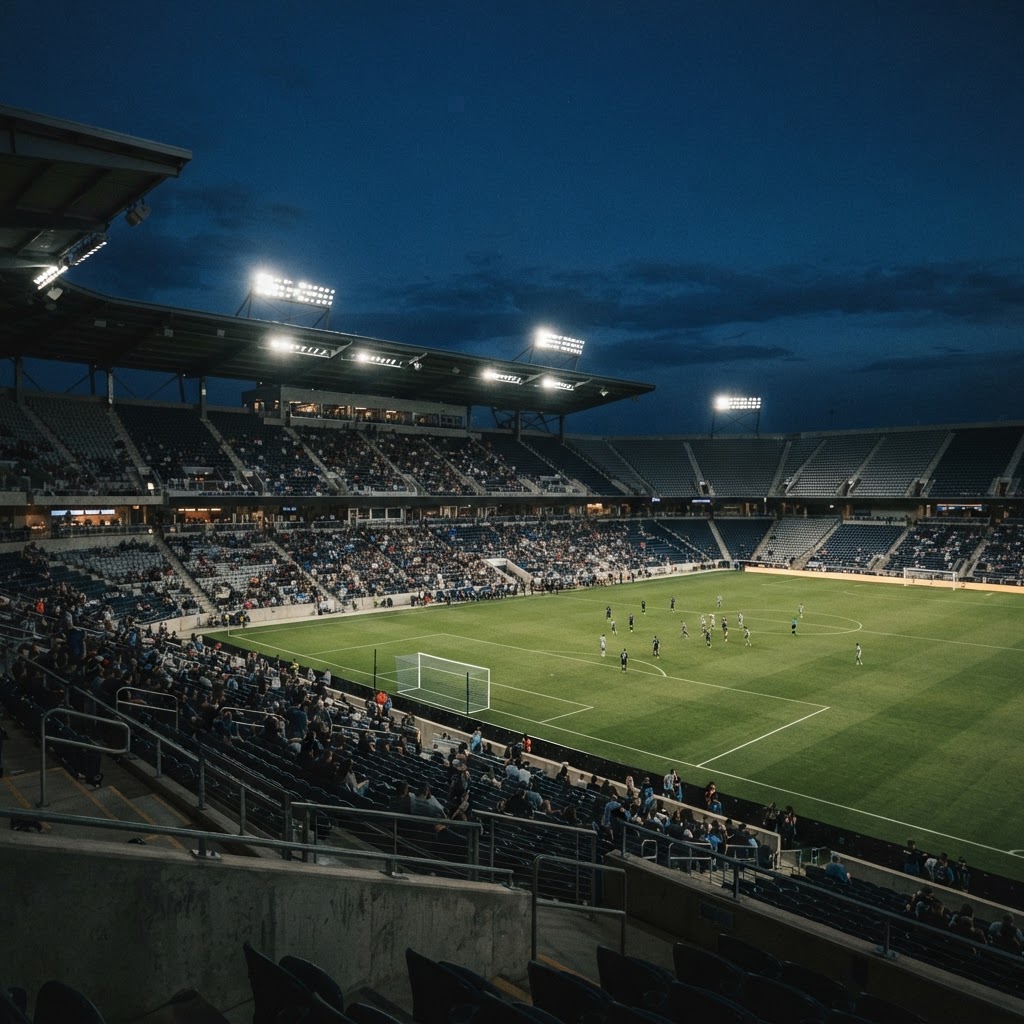
- Union Omaha commits $23M of direct equity to a venue of about 6,500 fixed seats with room for about 8,500.
"I do want to note a majority of the city participation in that is financing, not direct city dollars." David Levy, Union Omaha's legal representative (The Reader)
The city fronts most of the capital; the project is meant to repay it
Levy told the Council the bonds "are paid back by the team equity, by the rent and by these incremental project revenues" (The Reader). The league release says the City-owned stadium "will be financed primarily through private investment and revenues generated by the development."

- Up to $106.5M of lease-purchase and revenue bonds plus up to $10.5M of infrastructure reimbursement total $117M, the figure The Reader attached to the agreement. The city's land purchase, described above, was approved separately; the release says the developer will buy the surrounding land, helping offset it.
- The club's $23M is about 16% of the $140M stadium cost (our arithmetic). The league release puts the $23M toward construction, while Levy listed team equity among the sources that repay the bonds; the redevelopment agreement would confirm which.
Public tax tools and a reported rent line sit behind the bonds
TIF, the turn back and the occupation tax are the named repayment tools. The state application requests turn back of up to $1.25M a year for 20 years, and City Bond Ordinance No. 44530 authorizes stadium revenue bonds of up to $25M pledging facility revenues and the state award.
The first three lines sum to the $140M stadium cost, by our arithmetic. TIF, turnback and rent are repayment sources. Status as of 30 Oct 2026.
| Line | Amount | Status |
|---|---|---|
| City bonds | Up to $106.5M | Approved 27 Oct 2026 |
| Infrastructure reimbursement | Up to $10.5M | Approved 27 Oct 2026 (Ordinance 44846) |
| Club equity | $23M | Committed |
| TIF | $48M | Approved 14 Apr 2026 |
| State turnback | Up to $1.25M a year, about $25M cap | Approved May 2026 |
| Rent | $2M a year, reported | Lease not public |
- The $48M TIF is a headline amount, while the application counted TIF at a present value of $24.256M, a different measure.
The rent line is where the executed lease matters most
A December 2025 MuniCap pro forma in the application assumed $145.055M of bonds at 5.00% over 30 years, producing $114M of net proceeds, which does not reconcile with the $106.5M approved in October. At that rate and term, level debt service on $106.5M would be about $6.9M a year (our calculation). The February 2026 state application projected "USL rent 10% of gross ticket sales average for all USL events," or $616,164 in its first year, well under the $2M a year reported in October.
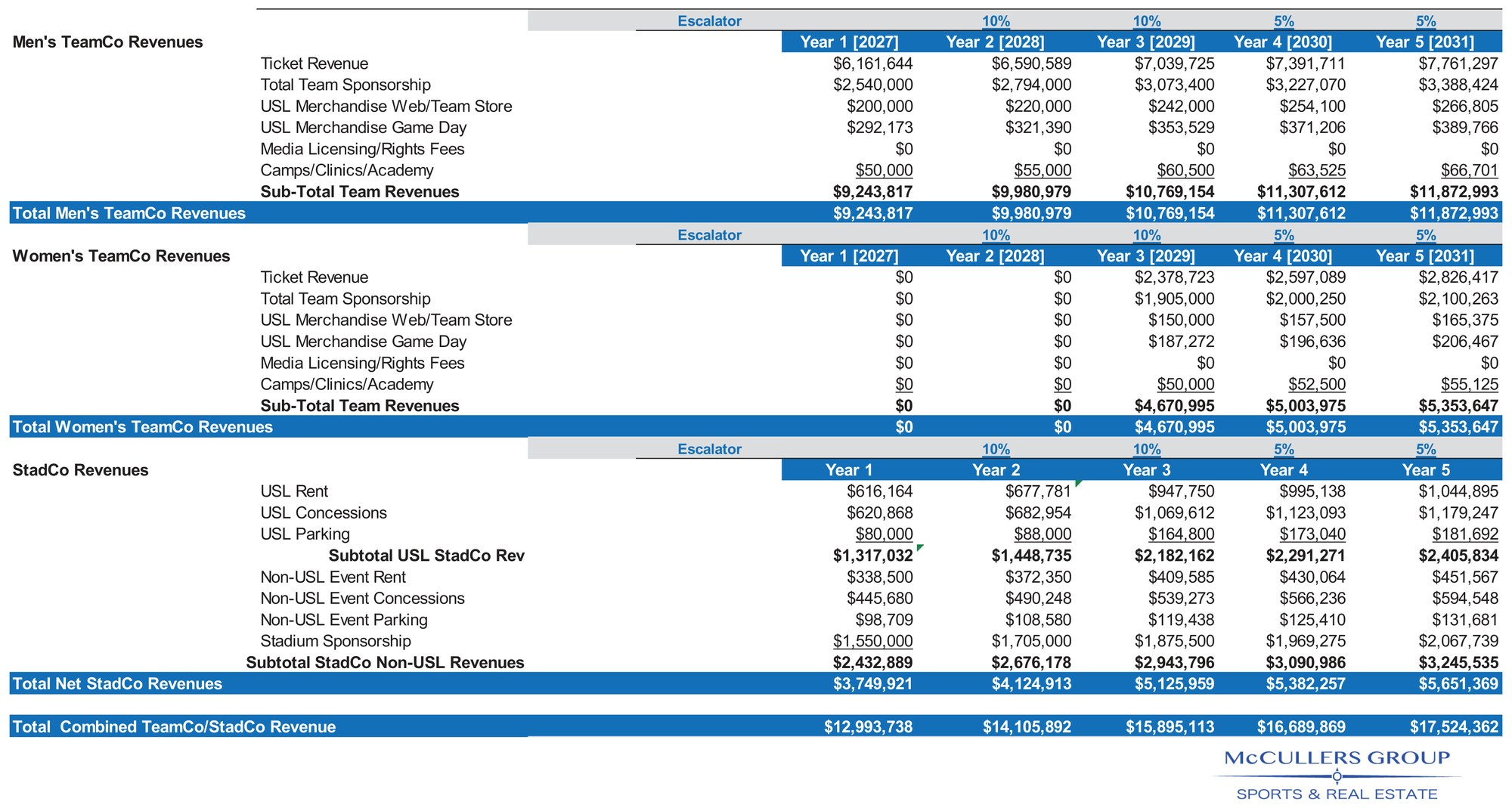
- At the reported $2M a year, rent would cover under a third of that figure, leaving TIF, the turn back, the occupation tax, team equity and venue income to carry the rest.
- The lease would confirm whether rent follows the application's 10% of ticket sales or the $2M reported in October.
What would strengthen the case
- The executed lease would confirm term, escalators and who keeps naming-rights and event revenue.
- The redevelopment agreement would confirm who absorbs overruns; the February application said costs in excess of the City's bonds "will be financed through DSSI and its partners."
- The bond documents would confirm whether $106.5M is par or net proceeds, the actual rate and maturity, whether the $10.5M reimbursement comes from city funds or TIF proceeds, and whether the $25M Ordinance 44530 series sits inside the $106.5M.
The counterargument
The strongest case against city-held risk is in the city's own filing: the state application says DSSI and Union Omaha will pledge revenues "to ensure full and timely repayment of the City's debt through such sources alone." The release adds developer equity, annual lease payments, project milestones, and naming rights, parking and event income that "can help cover debt shortfalls" as protections for the City. The city lends its borrowing capacity for most of the cost; its other outlays include the site purchase and up to $10.5M of infrastructure reimbursement.
What to watch
- The contractor agreement, due back before the Council soon, per WOWT.
- MECA, city and club partnership agreements, targeted by year-end 2026.
- Opening, which the club's 26 Oct update targets for spring 2028 (OurSports Central).
The takeaway
Omaha's stadium is city-financed and meant to be project-repaid, and the published lease will show how much of that repayment the club's rent carries.
Sources
- 3 News Now (KMTV), report on Union Omaha's $114M stadium and mixed-use district plan, Nov 2025 (3newsnow.com)
- Nebraska Department of Revenue, City of Omaha and Downtown Soccer Stadium, Inc. application under the Sports Arena Facility Financing Assistance Act (includes Resolution No. 2025-1084, Bond Ordinance No. 44530 and the MuniCap pro forma), 24 Feb 2026 (revenue.nebraska.gov)
- USL League One, Omaha City Council approval of the Union Omaha stadium redevelopment agreement and lease, 27 Oct 2026 (uslleagueone.com)
- City of Omaha City Clerk, City Council journal, 14 Apr 2026 (Resolution 2026-0207, TIF) (clerk.omaha.gov)
- WOWT, report on the Council's $48M TIF approval for the stadium, 15 Apr 2026 (wowt.com)
- WOWT, report on the state turnback tax approval for the Union Omaha stadium, 8 May 2026 (wowt.com)
- City of Omaha City Clerk, City Council journal, 16 Dec 2025 (Ordinances 44528, 44529, 44530) (clerk.omaha.gov)
- WOWT, report on the city's $18.9M land purchase for the stadium, 13 Jun 2026 (wowt.com)
- WOWT, "Omaha City Council approves downtown soccer stadium deal," 27 Oct 2026 (wowt.com)
- City of Omaha City Clerk, City Council journal, 27 Oct 2026 (Ordinance 44846, passed 6-0) (clerk.omaha.gov)
- City of Omaha City Clerk, City Council agenda, 27 Oct 2026 (Ordinance 44846) (clerk.omaha.gov)
- The Reader (a service of Nebraska Public Media), Jessica Wade, report on the stadium financial plan ahead of the Council vote, 20 Oct 2026 (thereader.com)
- Union Omaha release via OurSports Central, stadium and playoffs update, 26 Oct 2026 (oursportscentral.com)
Free Industry Report
2026 USL Championship Attendance: Down 7.5%
The USL Championship average fell to 5,148 per match while MLS and USL League One grew. We checked every club figure and found venue control, not market size, predicts crowds.
Read the Report