Stadiums
Detroit City FC's New 15,000-Seat Stadium: A Turning Point for Urban Soccer Development
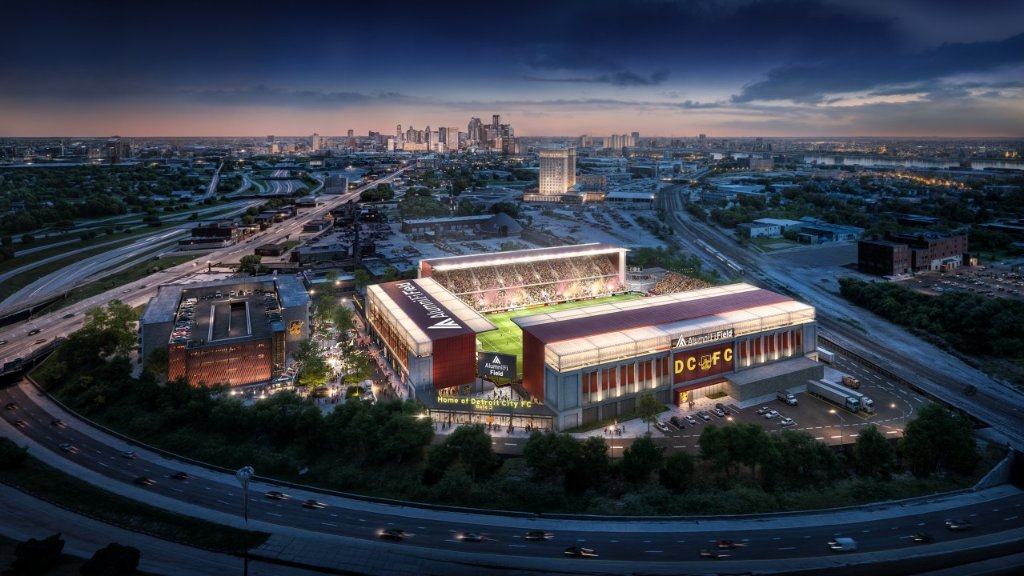
Detroit City FC has taken a decisive step toward its next era of growth. The club has selected HOK, one of the world's leading sports architecture and urban design firms, to design a new 15,000-seat soccer-specific stadium - a project with the potential to reshape both the club's trajectory and the southwest Detroit urban landscape.
The stadium is planned for the former Southwest Detroit Hospital site, a long-abandoned property positioned at a strategic hinge between Corktown and the Southwest neighbourhoods. Detroit City FC expects the venue to open for the 2027 USL Championship season.
Why This Move Matters for Investors and Operators
Across the U.S., purpose-built stadiums have emerged as the strongest economic catalyst for soccer clubs. This project checks several key boxes.
1. A Clear Path to Localized Urban Revitalization
Stadiums are most successful when they anchor districts, not when they stand alone. Detroit's plan aligns with what has worked in markets like Louisville, Colorado Springs, and soon Rhode Island: transforming underused land, creating community commons, generating year-round foot traffic, and raising surrounding real estate value. The former hospital site provides the opportunity for all four.
2. Stadium as a Brand Multiplier
Detroit City FC already has one of the most powerful supporter cultures in North American soccer. A dedicated stadium elevates club identity, match day experience, sponsorship inventory, community integration, and revenue per fan. This is how clubs transition from strong regional brands to national soccer properties.
3. A 2027 Timeline Aligned With USL Growth
The USL Championship is entering an expansion wave defined by stadium-anchored projects. DCFC's timing positions the club among the next tier of long-term anchor markets.
Leadership Perspective
DCFC CEO Sean Mann describes the project as a symbol of Detroit's resilience and identity. For club owners, this is a case study in leading with community-first vision rather than pure real estate ambition.
HOK's Chris DeVolder emphasizes placemaking - designing the stadium as a neighbourhood asset rather than an isolated venue. This approach increases local support, accelerates public-private alignment, and adds long-term value to the club.
A Deeper Look at the Partners
Detroit City FC was founded in 2012 by young Detroiters and has become a benchmark for supporter culture and grassroots-led professional soccer in the U.S. Their track record includes sold-out matches, a thriving women's side in the USL W League, a growing youth academy and statewide youth affiliation, and a successful indoor facility in downtown Detroit. The club has built something rare: authenticity backed by demand.
HOK is one of the most respected firms in global sports architecture. Their portfolio includes landmark venues such as New York City FC's upcoming stadium, St. Louis CITY SC's district, Little Caesars Arena, Mercedes-Benz Stadium, and Hard Rock Stadium renovations. Their involvement signals a major, long-term commitment to excellence.
Strategic View: What This Signals for the USL and the Industry
DCFC's stadium initiative underscores several broader trends shaping the future of the U.S. soccer landscape.
Local ownership groups are becoming city builders. Stadiums are catalysts for mixed-use districts, job creation, and public pride. Urban infill is now the preferred development model - the value is in reconnecting neighbourhoods, not building in isolation. Clubs that control their venue unlock exponential revenue growth: ticketing, hospitality, naming rights, non-match day events, and community programming all scale rapidly once the club owns the ground. USL Championship is maturing into a true second division ecosystem, and stadium-anchored projects are the signal of a league leveling up.
What to Watch Next
For investors and operators, several variables will determine the ultimate success of this project: how Detroit City FC positions development around the stadium, the financing mix (private capital, municipal incentives, strategic partnerships), pricing strategy for suites and hospitality, community integration and public sentiment, and scheduling synergy with youth, women's, and community events.
If executed well, this stadium will become a flagship case study for the next generation of USL projects.
Free Industry Report
2026 USL Championship Attendance: Down 7.5%
The USL Championship average fell to 5,148 per match while MLS and USL League One grew. We checked every club figure and found venue control, not market size, predicts crowds.
Read the Report