New Markets
USL and Santa Rosa: A Strategic Play for Northern California's Next Professional Soccer Market
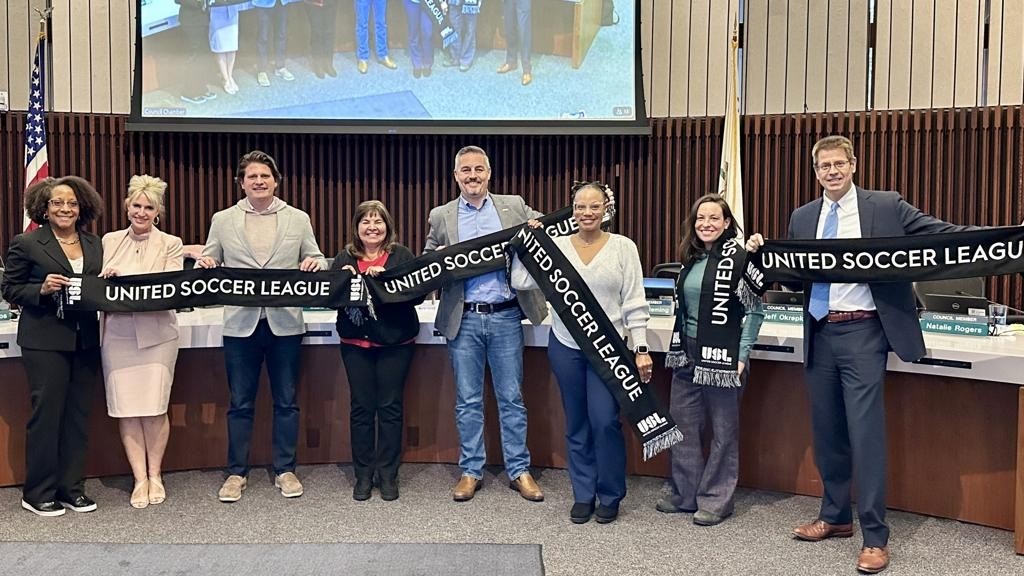
The United Soccer League has taken another calculated step in its national expansion strategy, entering exclusive negotiations with the City of Santa Rosa to bring professional soccer to Northern California.
This is not just another expansion headline. It is a signal of how the USL continues to identify and activate underserved, high-potential secondary markets across the United States.
Why Santa Rosa Matters
Santa Rosa represents a specific type of opportunity that has become central to the USL's growth model:
- Mid-sized city with regional influence
- Strong youth soccer participation base
- Limited direct competition from top-tier professional sports
- Proximity to major metropolitan areas without being overshadowed
Located roughly 90 km north of San Francisco, Santa Rosa sits in a unique corridor. It benefits from Northern California's deep soccer culture while maintaining its own distinct identity and community alignment.
For investors and operators, this positioning is critical. It allows for regional fan capture without the cost structure and competitive pressure of a major metro market.
The Stadium and Infrastructure Angle
As with most USL expansion efforts, the success of this project will hinge on infrastructure.
Exclusive negotiations typically center around:
- Stadium development or site control
- Public-private partnership structuring
- Land use approvals and zoning
- Long-term mixed-use development potential
The USL has consistently demonstrated that stadium-led development is the foundation of sustainable club economics. Santa Rosa now enters that same pathway.
This is where projects transition from concept to bankable opportunity.
What This Signals About USL Strategy
The move into Santa Rosa reinforces three broader trends in the USL ecosystem:
1. Precision Market Selection
The league is doubling down on cities that are large enough to sustain professional soccer but small enough to create strong local ownership of the club.
2. Expansion Through Partnerships, Not Just Franchises
By entering exclusive negotiations, the USL ensures alignment with municipalities before formal expansion is awarded. This reduces execution risk significantly.
3. Infrastructure-First Growth Model
Clubs are no longer just teams. They are real estate, entertainment, and community assets built around stadium ecosystems.
Investor Takeaways
For investors evaluating opportunities in the lower-division American soccer landscape, Santa Rosa highlights several key principles:
Early-stage access matters. Value is created before formal expansion is announced Municipal alignment is a leading indicator of project viability Stadium strategy is the business model, not an accessory Secondary markets continue to outperform expectations when executed correctly
The Bigger Picture
The USL is not competing head-on with Major League Soccer for primary markets.
Instead, it is building a parallel ecosystem by identifying cities like Santa Rosa, where professional soccer can become a central pillar of the local sports and business landscape.
That approach is creating a growing portfolio of clubs that are community-rooted, infrastructure-backed, and investor-aligned.
Santa Rosa is simply the next chapter in that strategy.
Comments
No comments yet. Be the first to share your thoughts.