New Markets
Riverside Joins the USL Expansion Map. Here's What Investors Should Pay Attention To
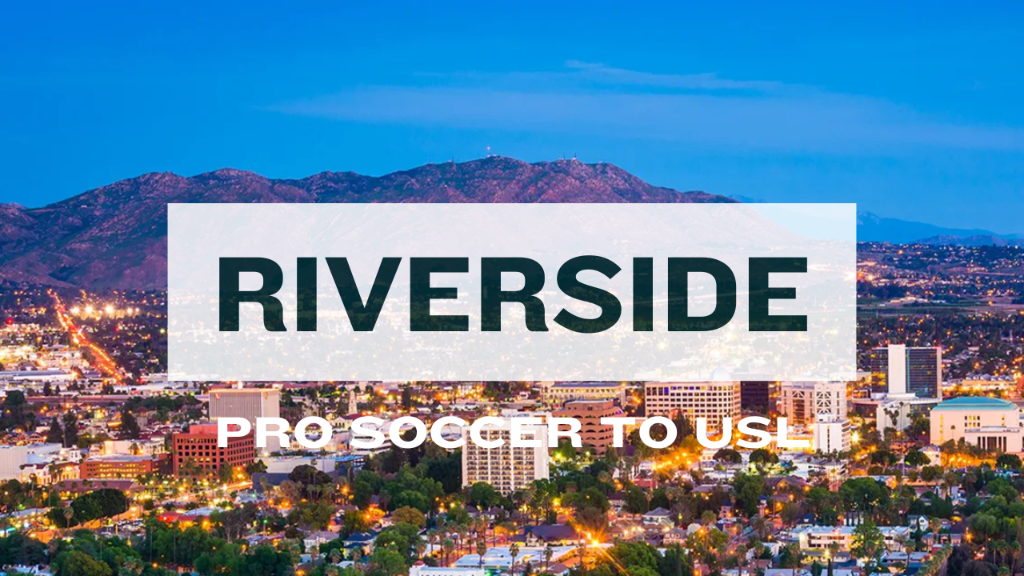
The United Soccer League continues to execute one of the most deliberate expansion strategies in North American sports. The latest move brings professional soccer closer to reality in Riverside through a newly announced partnership with Riverside Pro Soccer.
At first glance, this is another expansion headline. Underneath, it reveals a deeper blueprint for how modern clubs are being built, financed, and positioned.
Why Riverside Matters
Riverside sits in the Inland Empire, one of the fastest-growing regions in the United States. It offers a combination that USL increasingly prioritizes:
- Strong population growth without oversaturation from top-tier clubs
- Proximity to major markets like Los Angeles without direct competition
- A large, diverse, and soccer-engaged community
For investors, this is not accidental. It is targeted market selection.
USL is not chasing the biggest cities. It is identifying scalable markets where a club can become a primary sports property.
The Ownership and Execution Model
The partnership with Riverside Pro Soccer highlights a consistent pattern in USL expansion:
- Local ownership groups with long-term alignment
- Stadium-first or stadium-linked development strategies
- Community integration as a core asset, not a marketing layer
This is critical.
Modern clubs are no longer just teams. They are real estate-backed sports businesses.
The success of this project will likely hinge on:
- Stadium execution and location
- Public-private alignment
- Commercial partnerships tied to the Inland Empire economy
Infrastructure Over Hype
USL's expansion strategy continues to emphasize infrastructure over short-term visibility.
That means:
- Venue control over tenancy
- Mixed-use development opportunities around stadiums
- Long-term enterprise value creation
In Riverside, the conversation will not just be about launching a team. It will be about what gets built around it.
This is where the real upside sits.
Strategic Takeaways for Investors and Operators
Riverside reinforces several key trends shaping professional soccer in North America:
Secondary markets are becoming primary opportunities markets like Riverside offer lower entry costs with high growth ceilings Stadium strategy is the business model the club is the anchor, the development is the multiplier Local alignment is non-negotiable projects succeed when ownership, city leadership, and community are aligned early USL is building a network, not just a league each expansion strengthens regional relevance and commercial viability
What Comes Next
The announcement signals intent. Execution will define the outcome.
Key milestones to watch:
- Stadium site selection and financing structure
- Ownership group depth and capital stack
- Corporate sponsorship traction in the Inland Empire
- Timeline toward launch
If executed correctly, Riverside could become a case study in how to build a club outside the shadow of a major market and still win commercially.
Final Thought
The most important shift in professional soccer today is not happening on the pitch.
It is happening in cities like Riverside, where clubs are being designed as long-term infrastructure assets with community and commercial upside built in from day one.
That is where the smart capital is moving.
If you haven't watched the full episode of Gregory Scott Jr Founding Owner of USL Riverside Pro Soccer, it's worth your time:
Listen to the full episode
Comments
No comments yet. Be the first to share your thoughts.