New Markets
USL's Latest Move Signals a Bigger Play: Control the Infrastructure, Control the Game
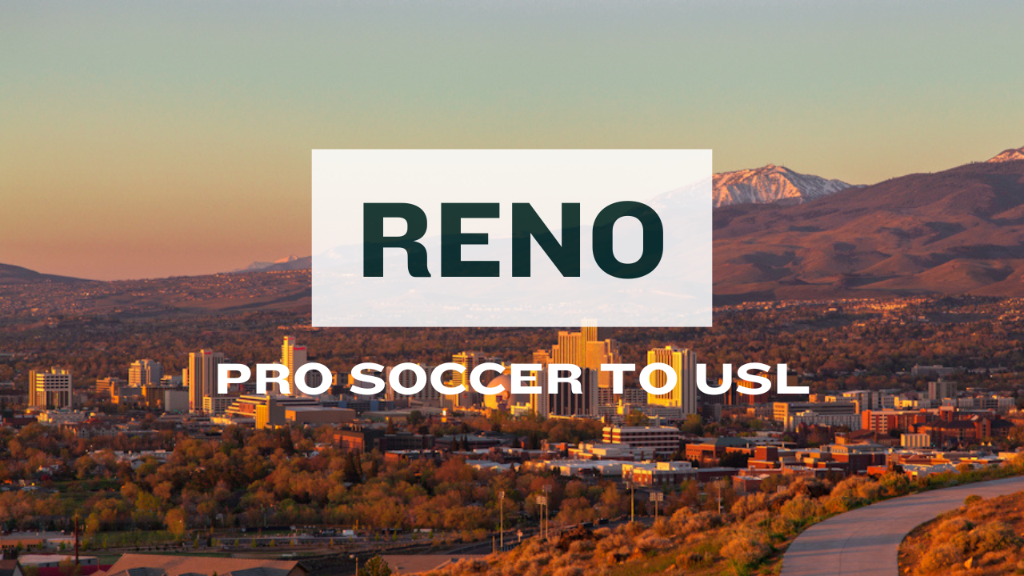
A recent announcement from the United Soccer League reinforces a pattern that investors and operators can no longer ignore.
This is not just about expansion. It is about control.
Across global football, the most successful ownership groups are no longer just buying clubs. They are building ecosystems. Stadiums, training facilities, mixed-use developments, and media platforms are becoming core assets, not side projects.
The USL's latest development highlights a clear strategic direction. Build the foundation first, then scale the football operation on top of it.
The Shift from Club Ownership to Asset Ownership
Historically, lower-division football in the United States has been built around team identity and league participation.
That model is evolving.
Today's winning strategy is based on controlling the underlying infrastructure:
- Stadium ownership or long-term control
- Real estate tied to matchday and year-round revenue
- Training facilities that double as community and commercial assets
- Media distribution that builds direct audience relationships
This approach reduces dependency on unpredictable variables like on-field performance and creates durable enterprise value.
Why This Matters for Investors
From an investment perspective, this is where the opportunity becomes clear.
Owning a club without controlling infrastructure introduces risk:
- Limited revenue streams
- Lack of control over scheduling and operations
- Reduced valuation upside
On the other hand, infrastructure-led models unlock:
- Predictable cash flows through events, leasing, and sponsorships
- Real estate appreciation
- Multi-use monetization beyond matchdays
- Stronger leverage in league and city negotiations
The USL continues to position itself as a league where this model can thrive. Compared to closed systems, it offers flexibility for operators to design projects that align with local market dynamics.
The Real Play: City Alignment
What separates successful projects from failed ones is not just capital.
It is alignment.
Cities are no longer just hosts. They are partners.
When clubs align with municipal goals such as economic development, tourism, and community engagement, projects move faster and gain long-term support.
This is where infrastructure becomes the bridge between sport and city-building.
A Global Trend, Now Localized
This strategy is not new globally.
From Europe to emerging markets, club ownership groups have long prioritized real estate and infrastructure as the backbone of their operations.
What is changing is how quickly this model is being adopted in North America.
The USL is accelerating that shift.
What Comes Next
Expect to see more announcements that look like this.
Not just teams launching, but full-scale developments tied to:
- Stadium districts
- Mixed-use real estate
- Public-private partnerships
- Long-term capital structures
For investors and operators, the takeaway is simple:
The club is the brand. The infrastructure is the business.
Those who understand this distinction will be positioned to build sustainable, scalable football organizations in the next decade.
Listen to the full episode
Comments
No comments yet. Be the first to share your thoughts.