Thought Leadership
6 Lessons Investors Can Learn from How Grenada Is Building Football the Right Way
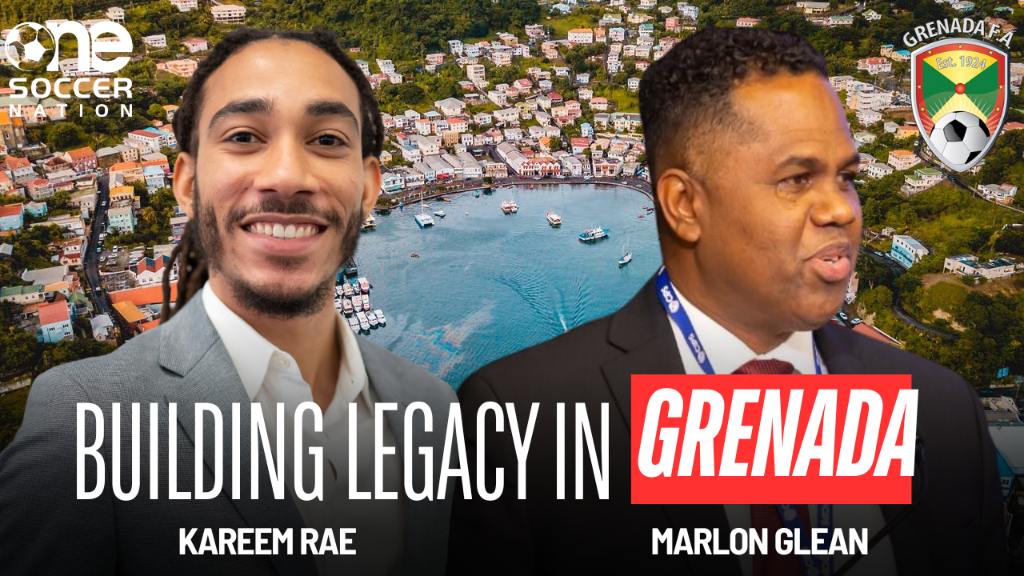
Most football investors look to big markets, big stadiums, and massive payrolls for lessons on success. That's a mistake.
Some of the clearest blueprints for building sustainable football ecosystems are coming from smaller markets where discipline, governance, and infrastructure matter more than capital.
Grenada is one of them.
In a recent One Soccer Nation (OSN) Podcast conversation, Marlon Glean, President of the Grenada Football Association and former FIFA regional office manager, offered insights that every investor, operator, and city leader should study closely. This isn't a feel-good story. It's an operating playbook.
1. World Cups Are Economic Catalysts, Not Just Sporting Events
For emerging football markets, the World Cup isn't just about matches it's about national momentum. Glean explained how World Cup participation or proximity unifies populations, reframes national identity, accelerates youth participation, and triggers infrastructure and policy focus. For smaller nations, even qualification pathways can unlock long-term economic and social value.
Investor takeaway: Football assets gain value when they are embedded in a country's emotional and civic infrastructure, not when they are treated as standalone entertainment products.
2. Infrastructure Control Is the Real Competitive Advantage
Grenada's primary constraint is not talent it's access. Despite having 10 national teams training simultaneously, the GFA faces limited field availability, high stadium rental costs, and scheduling conflicts with other sports. The response has been decisive: the GFA is developing a dedicated Technical Development Center with multiple pitches, accommodation, and permanent national-team access.
Investor takeaway: Infrastructure is not a cost center. It is the primary lever for cost control, player development, scheduling flexibility, and long-term valuation growth.
3. Governance and Legal Discipline Reduce Long-Term Risk
Glean's background in international law and FIFA governance has shaped how Grenada operates. Every decision from coaching contracts to procurement runs through clear contractual frameworks, FIFA-aligned compliance standards, and transparent vendor selection processes. This discipline protects limited capital and preserves credibility with global governing bodies.
Investor takeaway: Clubs and federations that treat football like a regulated business rather than a passion project are structurally more investable.
4. Grassroots Development Comes Before Senior Results
While many football organizations chase short-term senior team success, Grenada has reversed the equation. The GFA is prioritizing grassroots programs reaching thousands of children, FIFA Talent Development starting at ages 11-13, and national primary school competitions. The results are already visible: improved FIFA rankings, stronger national-team performances, and a growing talent pipeline.
Investor takeaway: Senior team performance is an output. Sustainable enterprise value is created upstream.
5. Women's Football Is a Growth Asset, Not a Side Project
Grenada's women's program is one of its most scalable assets. Recent progress includes promotion within CONCACAF Women's Nations League, competitive performances against regional powerhouses, and 14 homegrown players now on U.S. college scholarships. These outcomes create both social impact and monetizable pathways.
Investor takeaway: Women's football offers dual returns community impact and talent mobility with lower capital requirements and accelerating global demand.
6. Sponsors Invest in Credibility, Not Logos
Corporate sponsorship in small markets isn't driven by brand impressions alone. Grenada's commercial progress has come from rebuilding trust in football governance, demonstrating youth and community impact, and aligning sponsors with national development goals. As on-field results improve and participation rises, sponsors follow.
Investor takeaway: Sponsorship capital flows toward credibility, consistency, and long-term alignment not vanity metrics.
Final Thought: Scale Changes. Principles Don't.
Grenada will never outspend global football powers. But what this case study shows is that governance-first leadership, infrastructure control, grassroots investment, and community alignment outperform raw capital over time.
Whether you're building a USL club, a Caribbean federation, a multi-club platform, or a city-backed football project the fundamentals are the same. Build foundations first. Results follow. Enterprise value compounds. That's how football organizations scale sustainably.
Listen to the full episode
Comments
No comments yet. Be the first to share your thoughts.