Thought Leadership
When the Final Whistle Blows: What Players, Clubs, and Investors Miss About Life After Soccer
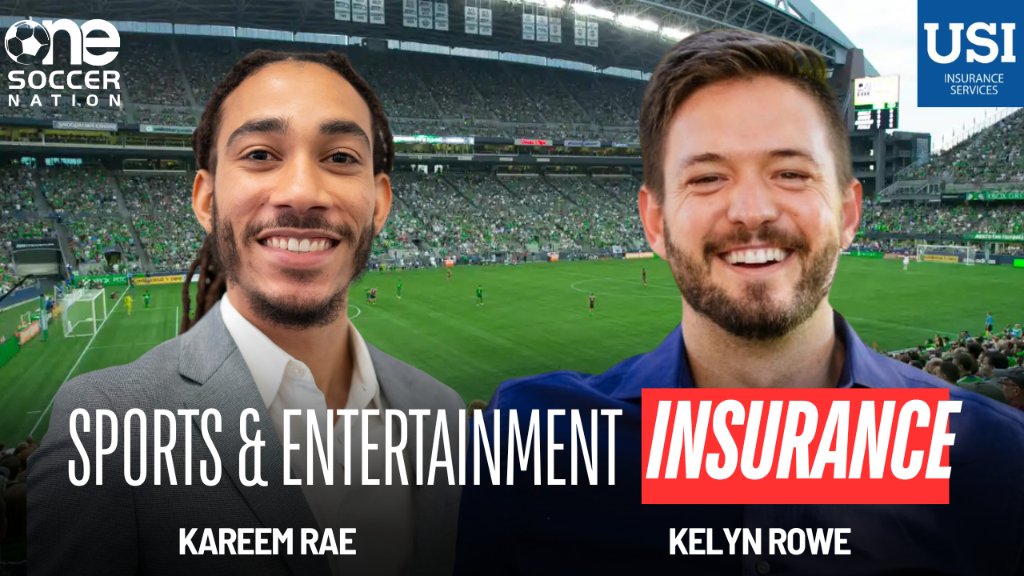
Professional soccer is built on moments: the roar of the crowd, the tension before kickoff, the euphoria after a goal. But what happens after those moments fade, after contracts end, minutes disappear, and the final whistle blows for good?
In a recent conversation on The One Soccer Nation (OSN) Podcast, Kelyn Rowe offered one of the most honest and unfiltered looks at that transition revealing lessons that extend far beyond the player pathway. His journey from a decade-long Major League Soccer career to broadcasting with Seattle Sounders FC and Seattle Reign FC, while also advising clubs and organizations at USI Insurance Services, highlights blind spots that players, clubs, and even investors routinely overlook.
The Myth of the "Smooth Transition"
From the outside, retirement looks simple. A former pro becomes a coach, a pundit, or a front-office executive. In reality, those seats are scarce and often inaccessible.
Rowe describes the transition as ongoing, not a clean break. Identity does not disappear when the pay check stops. Ego does not fade when the spotlight moves on. For many players, the realization comes late: most professional contracts are not life-changing money, and there is no pension safety net waiting at the end.
Key takeaway for operators: Player transition is not a personal problem. It is a structural one. Clubs that ignore it create long-term cultural and reputational risk.
Identity, Ego, and the Cost No One Prices In
For 30 years, Rowe's identity was simple: the soccer guy. When that label vanished, so did the automatic respect, access, and recognition that came with it. Suddenly, he had to introduce himself again without a jersey doing the talking.
This identity shock is not unique. It is systemic. Players lose status overnight, social circles change, confidence takes a hit, and decision-making becomes reactive instead of strategic.
Why this matters to investors: Organizations that fail to support post-career pathways burn goodwill with alumni, weaken their brand, and miss out on future ambassadors, advisors, and partners.
Sacrifice, Pressure, and the Hidden Trade-Offs of "Luxury"
Yes, professional soccer comes with perks travel, gear, and access. But every luxury has a price: missed weddings, missed holidays, missed family milestones, constant performance anxiety, and the fear that one mistake ends everything.
At the elite level, players do not just compete on matchday. They compete every day, knowing that one bad week can erase years of work.
Operational insight: Mental health, workload management, and travel fatigue are not soft issues. They directly affect performance, availability, and asset value.
How Clubs Actually Make Decisions
One of the most misunderstood realities inside professional clubs is selection logic. Talent matters, but fit matters more. Decisions are shaped by tactical chemistry, system compatibility, commercial considerations, fan engagement, and internal politics.
This is why players often thrive after a transfer without becoming better players. They simply fit the system.
For club builders: Roster construction is less about stars and more about balance. Sustainable teams are engineered, not assembled.
Risk Is the New Competitive Edge
Now working with youth, amateur, and professional organizations, Rowe sees the game through a different lens: risk management as a performance strategy.
Clubs consistently underestimate cybersecurity exposure, media and licensing liabilities, facility and event compliance risks, and youth safety regulations. Most organizations only think about insurance after something goes wrong.
Investor-grade insight: The best-run clubs treat risk the same way they treat tactics proactively, analytically, and long before kickoff.
Stadiums Are Not the Asset. Communities Are.
Modern clubs, particularly within the USL ecosystem, are thinking differently. The future is not just soccer-specific stadiums it is walkable districts, mixed-use development, restaurants, retail, and housing, and spaces that exist before and after matches.
Fans do not want to attend a game. They want to belong to something.
Strategic takeaway: Clubs that anchor communities create diversified revenue, stronger political support, and higher long-term valuations.
The 2026 World Cup Is a Beginning
Hosting the World Cup across Canada, the U.S., and Mexico will ignite passion. The real opportunity comes after. Two long-term impacts stand out: youth conversion as kids fall in love with the game through the atmosphere, and repeat tourism as cities turn one visit into many.
For cities and ownership groups: The tournament is a catalyst. Legacy depends on what is built next.
Final Thought
Soccer's growth in North America is not just about expansion fees, broadcast deals, or stadium cranes. It is about people: players navigating life after the game, clubs learning to think like long-term businesses, and investors recognizing that sustainability beats hype.
The final whistle always comes. The smartest organizations plan for what happens next.
Listen to the full episode
Comments
No comments yet. Be the first to share your thoughts.