Industry Analysis
How Modern Soccer Stadiums Are Built, Financed, and Scaled (Inside the Design Playbook)
If you want to understand where professional soccer in North America is headed, follow the concrete.
Stadiums - and the districts around them - are becoming the main battleground for competitive advantage: match day atmosphere, revenue diversification, sponsorship value, and year-round utility. In a recent One Soccer Nation Podcast conversation, Chris DeVolder, former Director of Sport at HOK, broke down what's changing - and what investors and operators should be paying attention to right now.
1. The Evolution of Soccer-Specific Stadiums in the U.S. Is Happening in Phases
Chris described a clear shift over the last 30 years, from "making do" in oversized venues to true soccer-first environments.
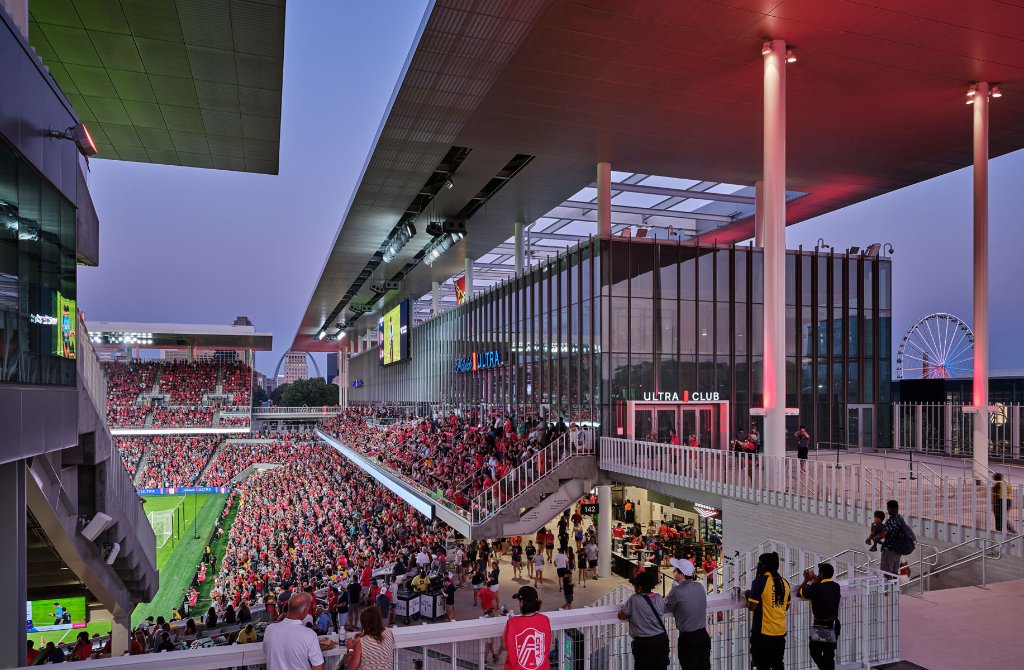
Phase 1 (Borrowed buildings): MLS and early-era pro soccer leaned heavily on NFL stadiums and converted baseball parks. Phase 2 (Soccer-built, but not soccer-designed): Teams began building dedicated venues, but many bowls still carried "American football DNA" in geometry and experience. Phase 3 (Revenue layers added): Premium seating, suites, club spaces, and sponsor inventory became core, not optional. Phase 4 - now (Feels like soccer + design excellence): The newest wave is pushing authentic soccer atmosphere: supporter-centric design, safe standing, intimacy, and global-level aesthetics - the kind you recognize from top environments in Europe and South America.
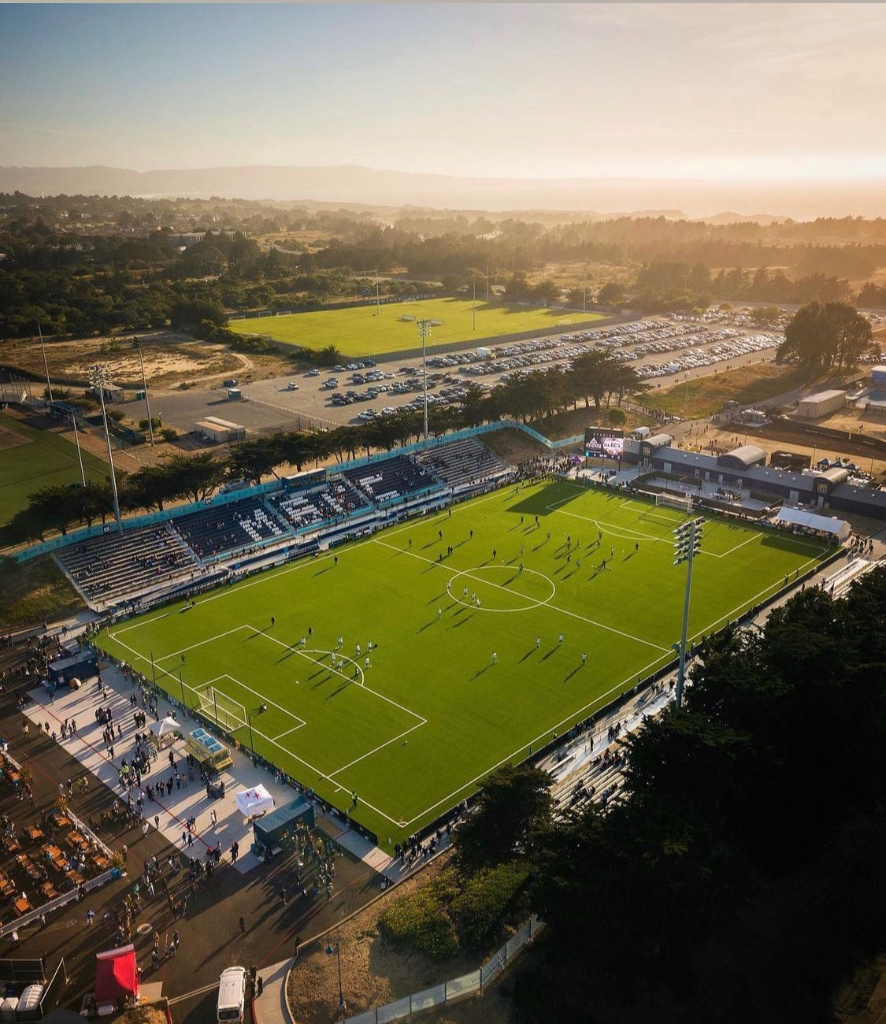
Investor takeaway: U.S. soccer infrastructure is still young, which means the biggest value creation is still in front of us - especially as major global events accelerate attention and standards.
2. The Most Underrated Success Factor: Right-Sizing the Stadium
One of the sharpest points: stadium size isn't a vanity metric - it's an operating strategy. A 20,000-seat venue with 5,000 fans feels empty. A 7,500-seat venue with 5,000 fans feels electric. And "electric" drives retention, pricing power, and sponsor value.
Chris emphasized that clubs increasingly model consistent sell-through targets, premium inventory demand (suites, clubs, loges), supporter section sizing, and match day revenue per fan. Almost every project now includes an expansion plan - whether through future seat decks, structural allowances, or foundations designed to support later growth.
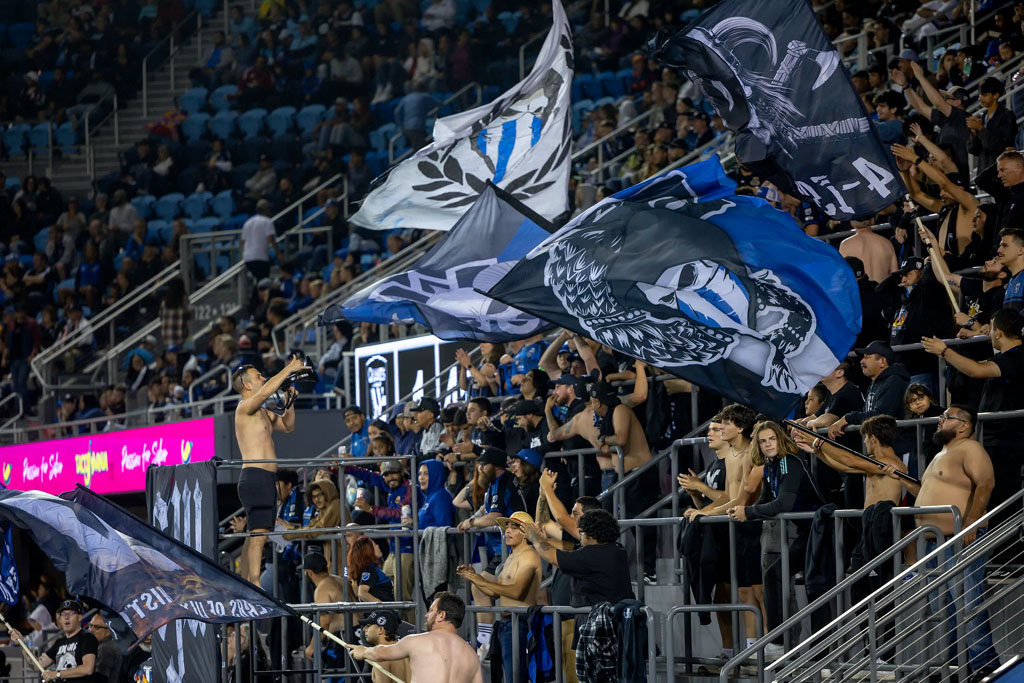
Investor takeaway: Demand creation > capacity. The best projects often start slightly smaller, create scarcity, then scale.
3. Stadiums Are Now Anchors for Districts Because Match Days Alone Don't Pay the Bills
A modern soccer stadium can't survive on 20-24 match days per year. The trend is clear: the stadium becomes the anchor, but the district becomes the business.
Chris highlighted a practical rule: successful developments stack multiple layers so the site is active daily, not occasionally. Common district layers include food & beverage/retail, residential (a consistent traffic engine), commercial/office, civic uses, recreation networks, healthcare partnerships, and training facilities that connect the club to community use.
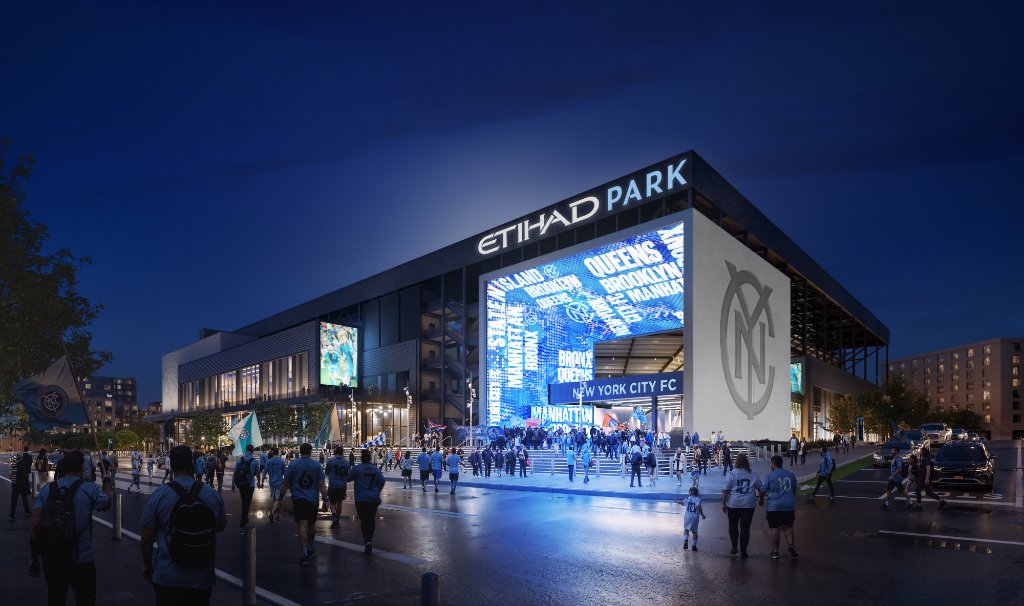
Investor takeaway: The district is where stability lives - lease revenue, non-match day foot traffic, and broader capital stacks.
4. The Capital Conversation Is League-Agnostic Now: MLS, USL, NWSL - All-In on Infrastructure
Chris's point was direct: the infrastructure investment wave isn't limited to one league. Across MLS, USL, and women's soccer, ownership groups are investing in stadiums, training facilities, academy-adjacent environments, and mixed-use development.
Why? Because infrastructure helps clubs improve atmosphere and home advantage, expand sponsor inventory, diversify revenue, professionalize operations, and increase franchise enterprise value over time. He even noted a pattern many clubs observe: home performance often improves after opening a new stadium, and while multiple factors are involved, atmosphere is a real lever.
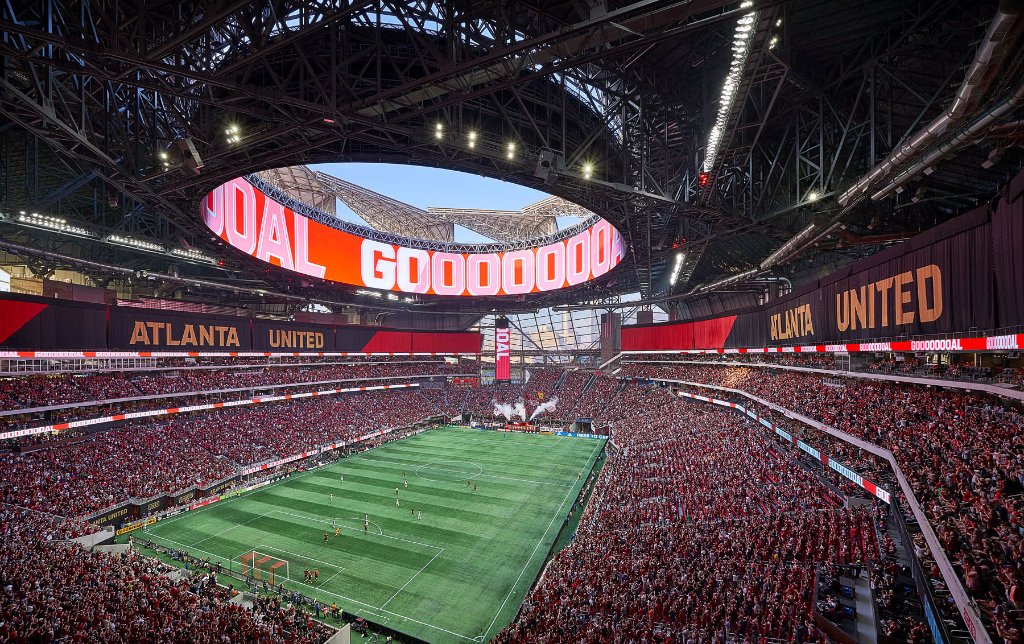
Investor takeaway: Stadium and training infrastructure is becoming the baseline for serious club building - not a "nice to have."
5. Timelines Are Longer Than Most First-Time Ownership Groups Expect
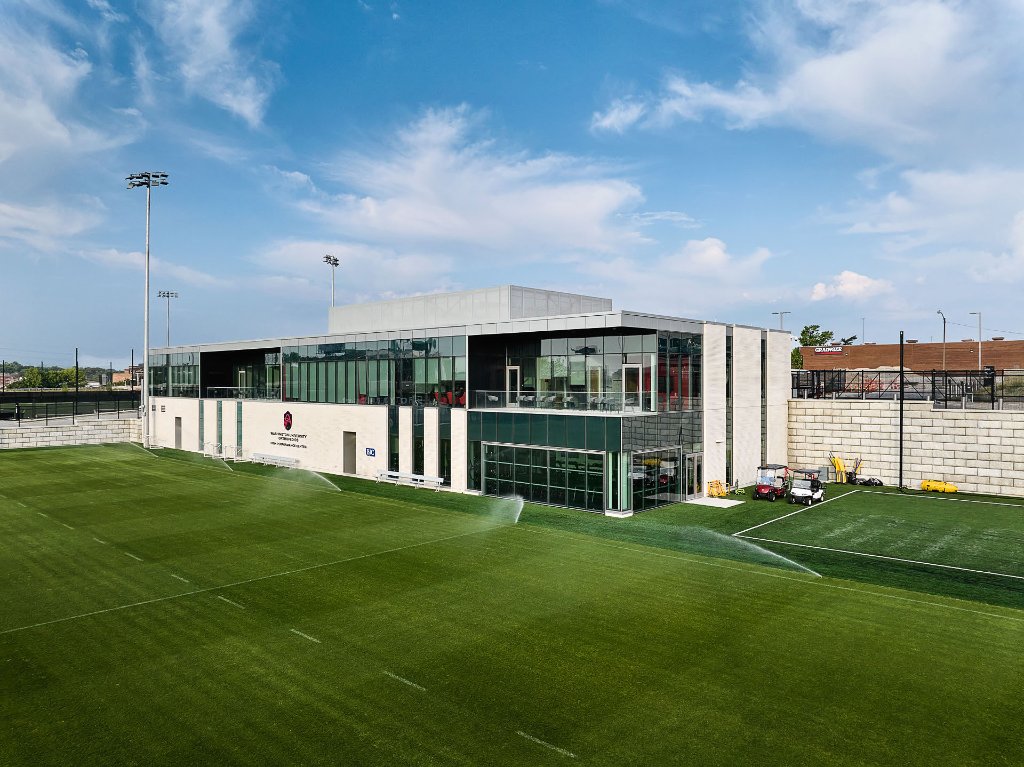
A reality check from the design side: from design start to first kickoff is often 3-4 years. And many groups are working 12-24 months before design even begins - site strategy, city engagement, entitlements, financing, partnerships.
City engagement alone often moves in layers: preliminary alignment (months), planning cycles and approvals (months to years), permitting reviews (ongoing), and public safety integration (ongoing). Chris was clear: you don't get a "yes" in weeks. The city and agencies need to be involved early, not presented with a finished plan at the end.
Investor takeaway: Underwriting must account for time. The winners are the groups that manage multi-year process discipline and stakeholder alignment.
6. Sustainability Is Turning Into a Revenue Platform, Not Just a Design Choice
Chris laid out a practical sustainability approach: start with siting to capture free energy (sun, wind patterns, orientation), a strong building envelope, and reducing loads through the right mechanical/electrical/plumbing systems - then move to renewables once the building is efficient enough.
Most importantly, he framed sustainability as a sponsorship unlock: it creates new partner categories, opens additional sponsor narratives, and can become a distinct commercial asset - not just a cost.
Investor takeaway: Sustainability can expand sponsorship demand and diversify commercial inventory, especially with the right storytelling.
7. Technology Is Now About One Thing: Removing Friction
Chris described "fan experience" in a way operators should steal: fan experience = removing friction. From parking to entry to concessions to halftime throughput, the venues that win are the ones that eliminate wait time and confusion.
Tech shaping modern venues includes faster walk-through screening systems, improved ticketing flow, frictionless retail, high-speed beverage systems to handle halftime demand, LED lighting and show integration for pregame moments, and in-app integrations that connect the entire day.
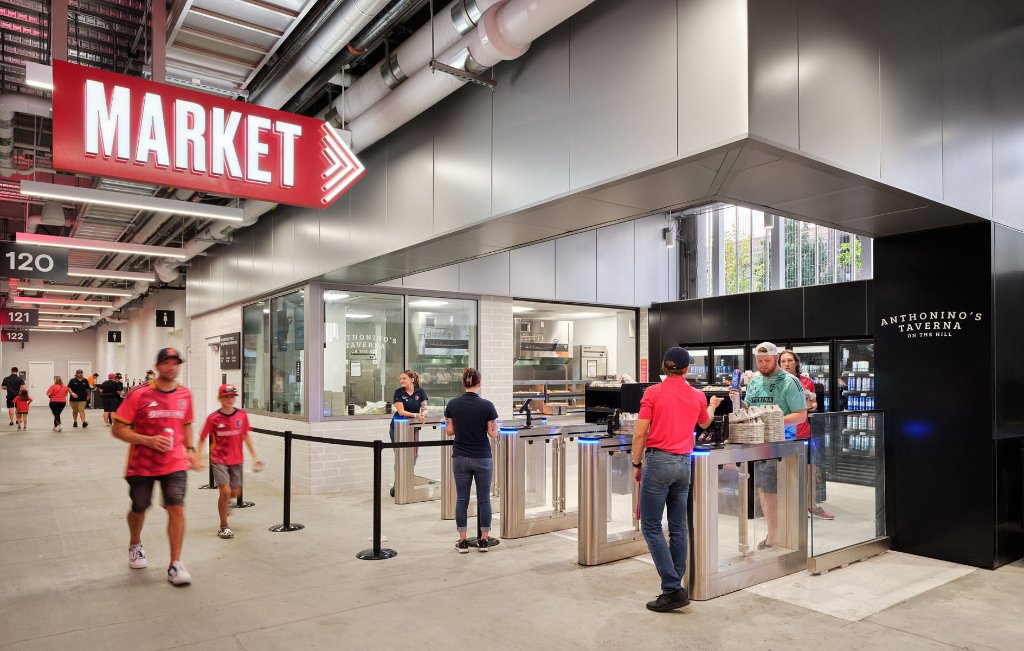
Investor takeaway: Operational tech drives per caps, staffing efficiency, and repeat attendance. It's not decoration - it's margin.
8. What HOK Can Do for Ownership Groups
Chris outlined multiple entry points depending on the group's stage: no site yet (site feasibility and stadium footprint studies), site identified (concept, program development, early pricing), ready to go (full design execution), and even before a team exists (early-stage planning with an "operator mindset" to support long-term viability).
He also emphasized a real truth: even USL-level projects can involve 20+ partner organizations across design, legal, finance, city process, security, operations, F&B, and technology.
Investor takeaway: The project is a system, not a building. Your partners determine speed, approvals, and performance.
The Soccer Insider Bottom Line
If you're investing in a soccer club, you're not just buying a team. You're building an engine. The clubs that scale fastest are designing for scarcity and expansion, multiple revenue layers, district synergy, city and public safety alignment early, sustainability as a commercial platform, and technology to remove friction and improve margins.
That's how modern clubs are built, financed, and scaled.
Listen to the full episode
Comments
No comments yet. Be the first to share your thoughts.