Stadiums
OKC's $121 Million Stadium Vision Signals a New Era for American Soccer Infrastructure
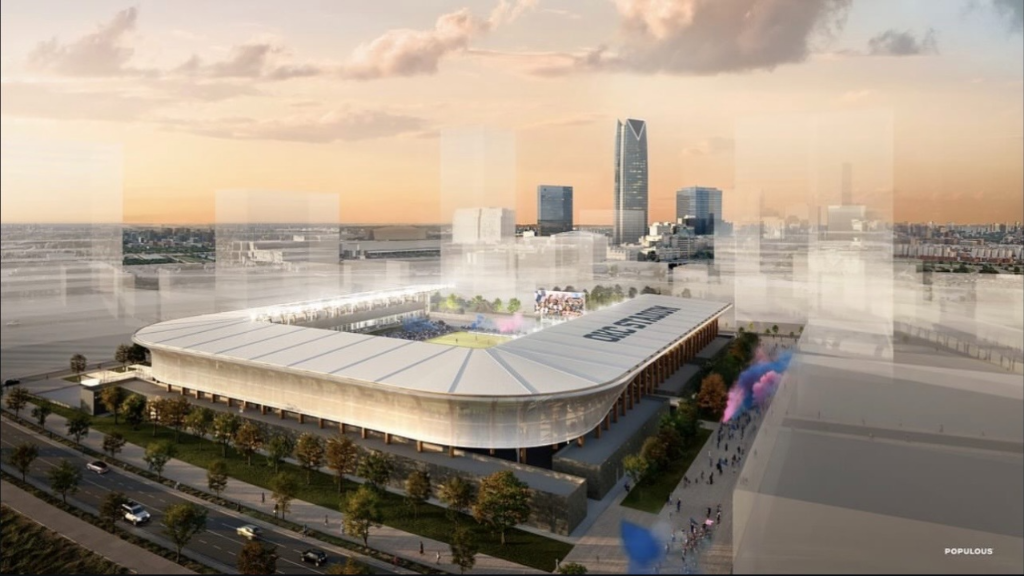
Oklahoma City has stepped decisively into the next wave of American soccer development. With the unveiling of new stadium renderings and the launch of its inaugural season-ticket campaign, the city is positioning itself as the next major market embracing the stadium-anchored model that is reshaping the USL ecosystem.
This project is more than a venue announcement - it is a roadmap for how mid-sized American cities can leverage professional soccer to drive urban revitalization, community identity, and long-term economic value.
A Purpose-Built Stadium Designed for Modern Football
The newly released designs highlight a venue built intentionally for the soccer experience. Supporter-centric sightlines, proximity to the pitch, and a flexible bowl layout signal an understanding of what American fans expect today. The stadium incorporates open concourses, multi-use community spaces, and a design ethos that blends entertainment with civic utility.
This reflects a broader trend: clubs are no longer building stadiums just for matchday operations but as everyday community assets that anchor surrounding development.
OKC's Market Entry: Strategic, Timed, and Community-Focused
The city's new professional club aligns itself with a rising national sentiment that soccer can be a catalyst for urban momentum when positioned correctly. The timing is deliberate - the U.S. soccer landscape is expanding ahead of 2026, municipal leaders nationwide are prioritizing mixed-use districts tied to sports infrastructure, and investors are seeking scalable opportunities rooted in community engagement and real estate.
OKC's early push with a season-ticket campaign demonstrates a commitment to building culture before the first kickoff. Strong supporter demand in the opening weeks signals that the city is ready for its own soccer identity.
Stadium-Anchored Districts: The New Standard
Today's most successful American soccer projects - from Louisville to Colorado Springs to soon Sacramento and Rhode Island - are driven by districts, not stand-alone venues. OKC's blueprint follows this proven path: integrate stadiums with year-round retail, hospitality, and residential development; maximize economic impact through non-matchday programming; and deliver an asset that enriches the city Monday through Sunday.
This approach strengthens financial sustainability for ownership while giving cities a new platform to activate underutilized land.
What This Means for Investors and Operators
OKC's announcement carries several signals for stakeholders across the soccer industry. Stadium design is now an economic strategy, not a construction project. Clubs entering mid-sized markets can compete nationally if they anchor themselves in community-first infrastructure. Municipal alignment is becoming a non-negotiable driver of successful club launches. Demand exists if you build with intention.
For investors, this reinforces that professional soccer remains one of the most accessible entry points into American sports ownership when tied to strong stadium economics. For operators, it underscores the importance of early engagement, transparency, and a compelling vision that resonates locally.
A Defining Case Study for the USL Era Ahead
Oklahoma City's project is emerging at a moment when the USL ecosystem is accelerating rapidly. Stadium renderings, public transparency, and proactive ticketing campaigns are no longer milestones - they are baseline expectations for a modern launch.
As cities across the U.S. compete for relevance in a football-driven future, OKC is offering a clear demonstration of what momentum looks like when vision, timing, and execution align.
Comments
No comments yet. Be the first to share your thoughts.