Club Ownership
Reno's $350M Soccer District Signals the Next Phase of US Soccer Investment
Across North America, professional soccer clubs are increasingly being built as infrastructure platforms rather than standalone teams.
The most successful modern projects integrate stadiums, real estate, entertainment districts, and community programming into a single investment ecosystem.
For investors and city leaders, soccer is no longer simply a sport. It is becoming a development catalyst that drives land value, tourism, and year-round economic activity.
A new project in Reno, Nevada illustrates how this model is beginning to reshape the next generation of USL club development.
What Happened
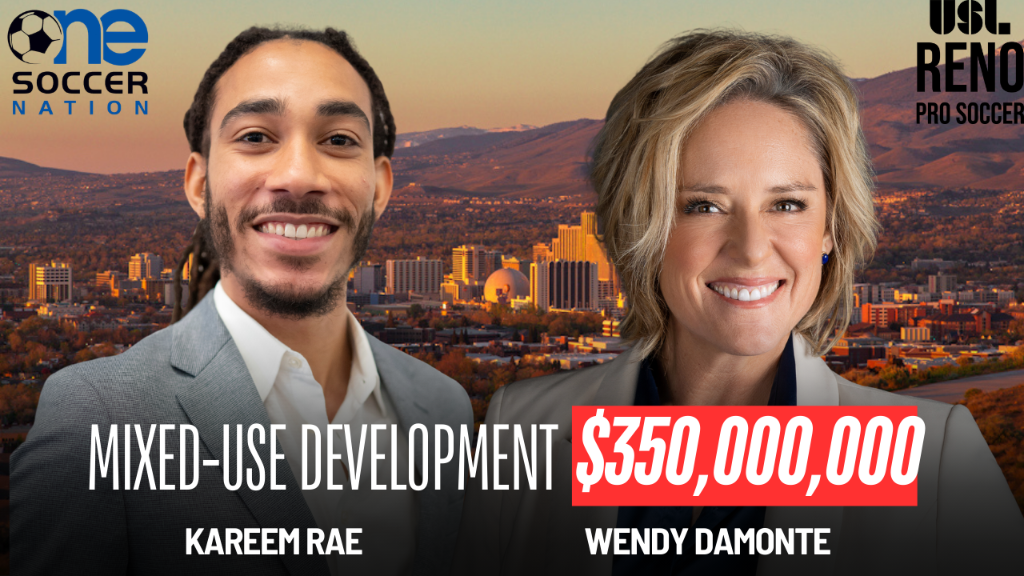
Reno Pro Soccer, led by CEO and co-founder Wendy Damonte, is developing a $350 million mixed-use district anchored by a professional soccer club.
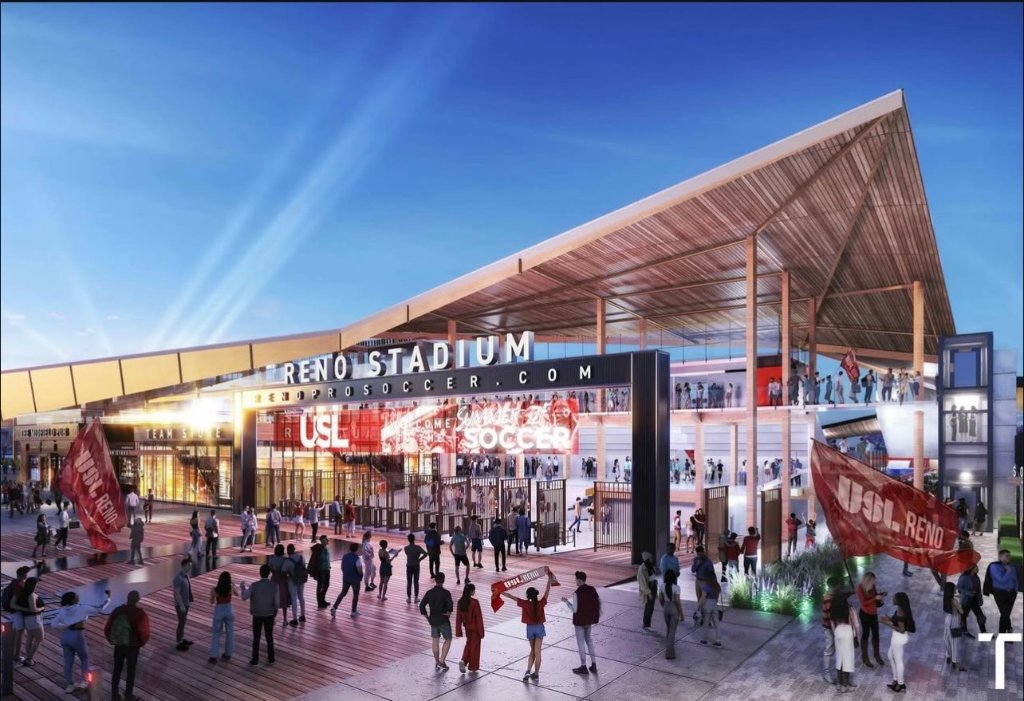
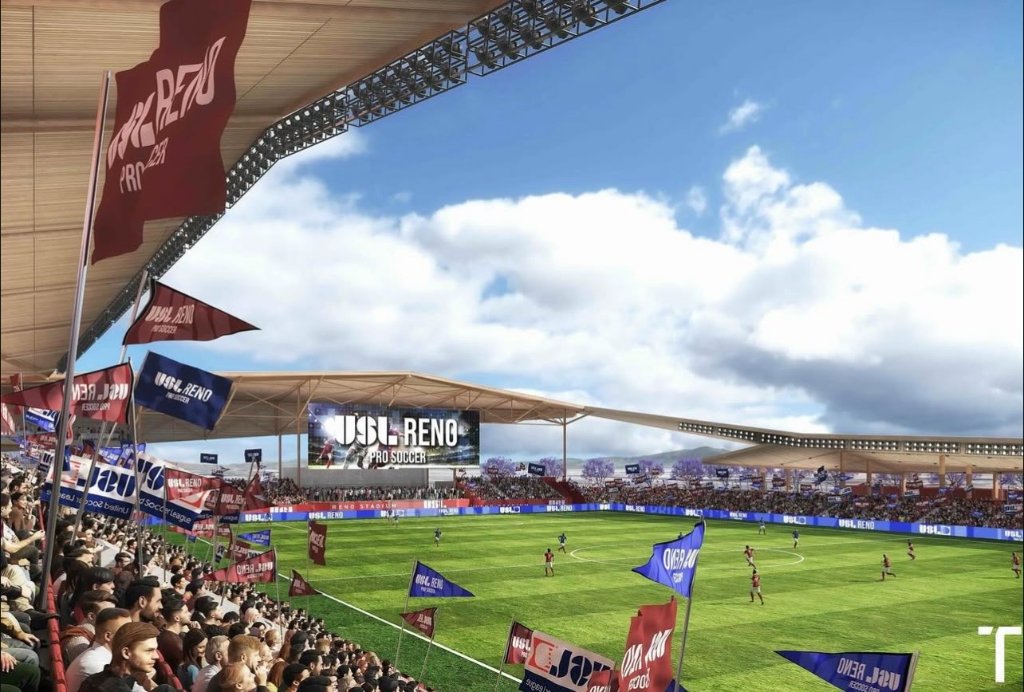
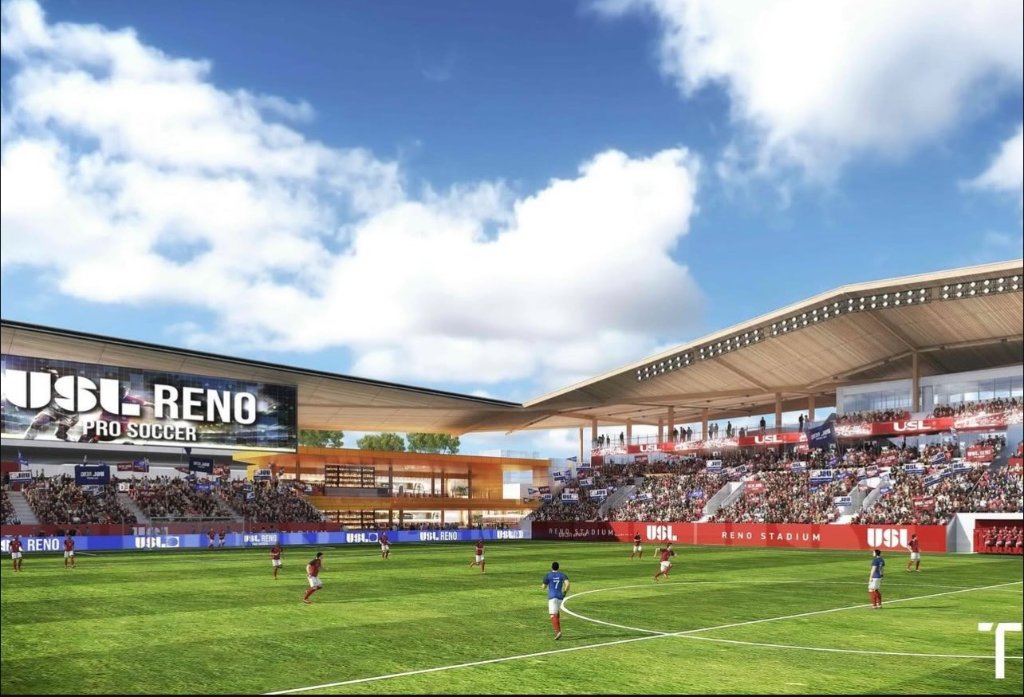
The project includes a USL Championship club, a 6,000-seat soccer stadium, a surrounding entertainment district, restaurants, bars, and retail, hospitality assets, and approximately 30 acres of land under ownership control.
The investment is structured through a holding company, allowing investors to participate across the entire ecosystem rather than investing in individual components.
Development will occur in phases. Phase one focuses on the stadium, professional team, and entertainment district. A second phase will activate adjacent parcels once existing long-term leases expire.
The vision is not simply to build a team but to create a year-round destination for the Reno community.
Why This Matters
The Reno project reflects several structural shifts taking place across the business of professional soccer.
First, soccer is increasingly tied to real estate development. Operating a team and stadium alone is financially difficult. Ownership groups are increasingly relying on surrounding development to stabilize the economics of the club. Restaurants, hospitality, retail, and event programming provide diversified revenue streams that extend far beyond match day.
Second, land ownership is becoming one of the most valuable assets in sports development. By securing nearly 30 acres of property, the Reno ownership group positioned the project as a broader district rather than a single venue.
Third, stadiums are increasingly designed as community infrastructure. The Reno stadium is intended to host soccer matches but also concerts, high school championships, festivals, and civic events. This reflects the evolving role of stadiums as year-round civic anchors rather than single-purpose sports venues.
Key Signals from This Development
Soccer anchored mixed-use districts are becoming a preferred development model for USL expansion markets. Investors increasingly favor projects that combine real estate ownership with sports operations. Land ownership near stadium sites is emerging as one of the most valuable assets in soccer investment. Community rooted ownership groups continue to drive successful expansion markets. Mid-sized markets are becoming viable professional soccer cities when infrastructure is built around the club.
What This Means for Investors and Operators
For investors evaluating professional soccer opportunities, the Reno project offers several lessons.
Diversified revenue streams are now essential to club economics. Successful projects combine match day revenue with hospitality, retail leasing, event programming, sponsorship partnerships, and long-term land value appreciation.
The investment structure also matters. By using a holding company, the Reno project allows investors to participate across multiple assets: land ownership, stadium infrastructure, professional club equity, and entertainment district development. This diversification improves long-term financial stability.
Local ownership also remains a powerful advantage. Local stakeholders bring stronger political relationships, deeper community credibility, and long-term commitment to the market.
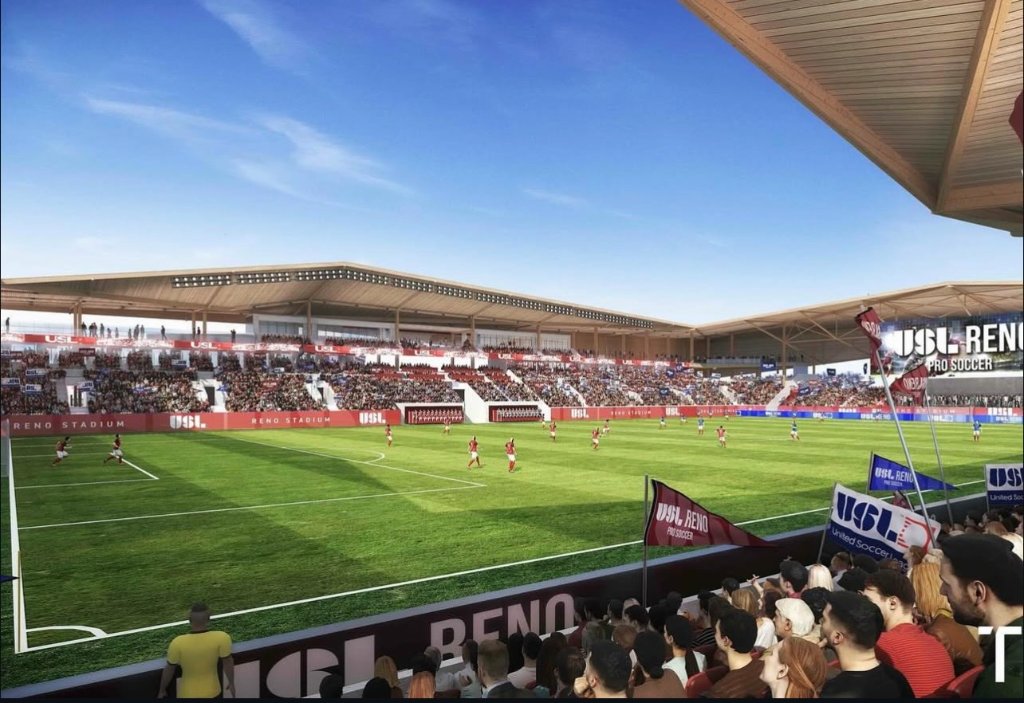
Finally, modern stadiums must operate year-round. Events such as concerts, festivals, corporate gatherings, and youth tournaments help transform stadiums into active entertainment hubs. In this model, the soccer club becomes the anchor tenant rather than the only driver of activity.
The Bigger Picture
The Reno development reflects a broader evolution taking place across the North American soccer industry. Increasingly, soccer projects are tied to urban redevelopment strategies. Cities see stadium districts as tools to stimulate tourism, activate underused land, and create community gathering spaces.
At the same time, leagues such as the United Soccer League continue expanding into mid-sized markets that fall outside the footprint of major professional sports leagues. Cities like Reno often have rapid population growth, strong youth soccer participation, and limited professional sports competition - making them attractive markets for soccer infrastructure investment.
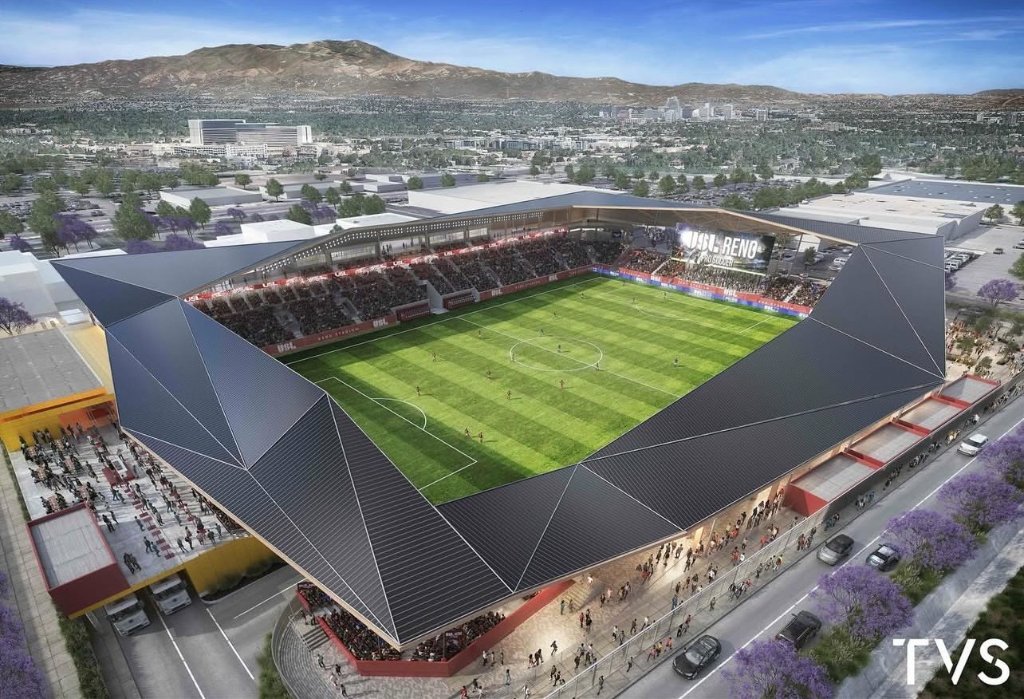
The Team Is No Longer the Primary Investment Thesis
The real opportunity lies in the ecosystem surrounding the club. Land, hospitality, entertainment districts, and community infrastructure are increasingly the assets that generate long-term value. Soccer is the catalyst that activates these assets.
Professional soccer in North America is entering a new phase. The next generation of clubs will not simply compete on the field. They will anchor entertainment districts, stimulate urban development, and create long-term investment platforms.
Projects like Reno offer a glimpse of how the next era of professional soccer clubs will be financed, built, and scaled.
Listen to the full episode
Comments
No comments yet. Be the first to share your thoughts.