Thought Leadership
The Operator Era of Soccer: Why Media, Infrastructure, and Ownership Are Converging
The economics of professional soccer are evolving. Historically, clubs operated primarily as sporting entities dependent on match day revenue, sponsorship, and broadcast rights. Today, the industry is shifting toward a more integrated model where media, infrastructure, and ownership strategy intersect to drive long-term value.
A new generation of soccer operators is emerging. Instead of simply acquiring clubs, these operators are building ecosystems around the sport - combining storytelling platforms, real estate development, community infrastructure, and talent pathways.
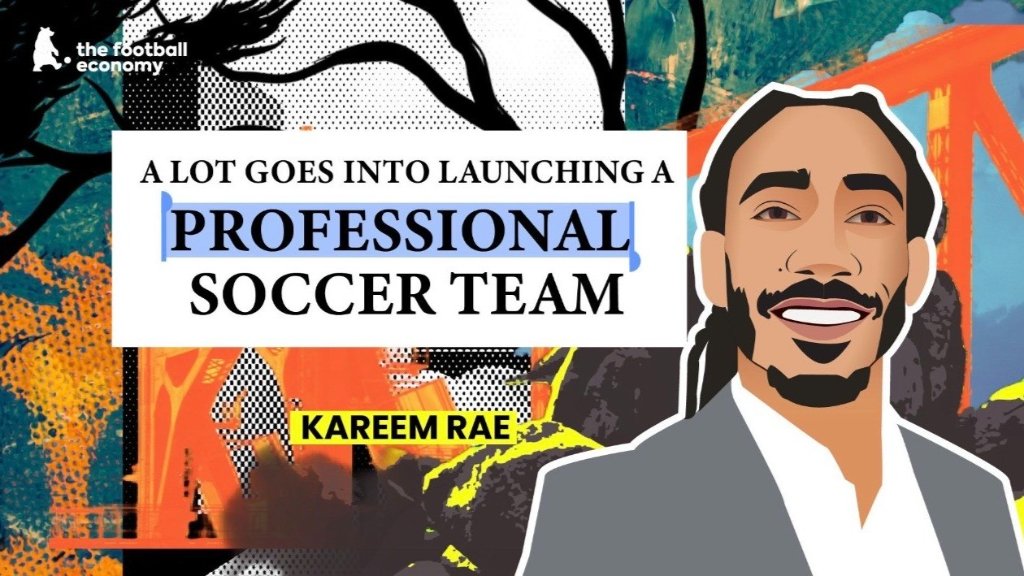
In a recent conversation on The Football Economy Podcast with host Ibrahim Musa, I discussed several structural forces shaping the next era of soccer investment.
1. Media Is Becoming an Industry Intelligence Platform
Long-form media platforms are evolving into strategic tools for understanding the soccer ecosystem. Platforms like The One Soccer Nation (OSN) Podcast provide direct access to the decision-makers shaping the sport - including club owners, league executives, investors, and operators.
For industry participants, this creates several advantages: direct insights into how professional clubs are financed and structured, exposure to emerging expansion markets and infrastructure projects, relationship building with operators across the soccer ecosystem, and a deeper understanding of how capital flows into the sport.
In this context, media becomes more than content distribution. It becomes a network-building and intelligence platform for the industry.
2. Soccer Infrastructure Is Driving Long-Term Club Value
One of the most significant trends in modern soccer investment is the rise of infrastructure-led development. Across North America, many successful club projects are anchored by stadium districts and mixed-use developments that integrate soccer-specific stadiums, residential development, hotels and hospitality, retail and entertainment districts, and public gathering spaces.
For investors, this structure diversifies revenue beyond match day and transforms clubs into year-round economic anchors within their cities. In many cases, the real estate component becomes a major driver of long-term asset value.
3. Secondary Markets Are Becoming Strategic Opportunities
While global cities remain attractive, many of the most compelling opportunities in soccer are emerging in mid-sized markets. Cities with populations between 100,000 and 1 million residents often provide strong conditions for professional clubs: less competition from other major professional sports, stronger local community identity, lower stadium development costs, and greater willingness from municipalities to support sports infrastructure.
In these environments, soccer clubs can quickly become one of the city's primary entertainment and cultural institutions. This dynamic has helped fuel expansion across leagues such as the United Soccer League ecosystem.
4. Relationships Remain the Core Currency of the Soccer Industry
Despite increasing institutional capital entering the sport, soccer remains fundamentally a relationship-driven industry. Partnerships often emerge through long-term engagement, shared vision, and the consistent exchange of value.
Operators who focus on building credibility within the ecosystem often unlock opportunities in club ownership partnerships, expansion market development, stadium and infrastructure projects, and strategic investment relationships. In many cases, trust precedes capital.
5. The Future Club Model Is an Integrated Ecosystem
The traditional concept of a soccer club as a standalone sports team is gradually being replaced by a broader model. The most forward-thinking operators are building multi-layered soccer ecosystems that combine club ownership, media platforms, stadium and infrastructure development, talent identification and development pathways, and strategic partnerships with cities and investors.
This integrated approach creates diversified revenue streams while strengthening the club's long-term role within its community.
For investors evaluating soccer opportunities, the implication is clear: the next generation of successful clubs will not simply compete on the field. They will operate as platforms that connect sport, media, infrastructure, and community development.
As global capital continues to enter the soccer industry, the operators who understand this broader framework will likely define the next chapter of the sport's economic evolution.
Listen to the full episode
Comments
No comments yet. Be the first to share your thoughts.