Industry Analysis
Tony Scholes to Lead New USL First-Division: A Strategic Hire with Systemic Implications
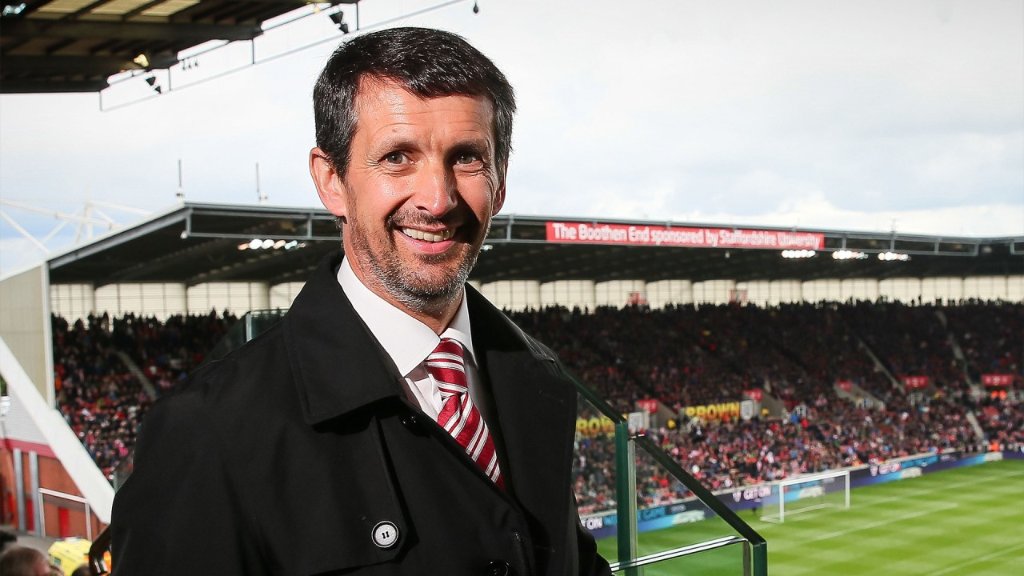
In a landmark move for the U.S. professional soccer landscape, the United Soccer League (USL) has appointed Tony Scholes, until recently Chief Football Officer of the English Premier League, as President of its planned first-division men's league.
This decision accelerates USL's ambitious vision to roll out a European-style promotion and relegation system and to elevate its competitive structure to operate alongside Major League Soccer (MLS) - not as a mere appendage, but as a fundamentally different model of league growth.
Why This Matters for Investors
1. Global Football Expertise Meets U.S. Market Opportunity
Scholes brings nearly three decades of experience spanning executive leadership at the world's most successful soccer league - the English Premier League - where he shaped competition standards, youth pathways, and governance frameworks, as well as club-level management as long-serving CEO of Stoke City FC, including navigating promotion to and sustained performance in the Premier League.
For investors, that pedigree signals more than a headline appointment - it signals intentional structuring. Scholes' background uniquely equips him to help define the operational, competitive, and commercial frameworks needed to underpin a sustainable top tier in the U.S.
2. Structural Shift: Pro-Rel as Product and Value Creation
At its core, USL's strategy centers on performance-based progression. By introducing promotion and relegation across a three-tier pyramid (Division One → USL Championship → League One), USL is creating stakes in every match, clear performance incentives driving club investment, and added investor appeal due to genuine upside tied to competitive outcomes.
This contrasts starkly with the closed franchise models that have dominated U.S. pro sports, particularly MLS. For stakeholders accustomed to fixed market entry and territorial rights, USL's open system represents both a challenge and an opportunity.
3. Leadership as a Signal to Markets
Hiring Scholes is a credibility play. It sends a signal to institutional capital that USL is serious about building something beyond incremental growth. It gives sponsors and media partners a compelling narrative anchored in global best practice, and positions USL not just as a league operator, but as a system architect.
Operational and Competitive Considerations
There are significant hurdles ahead.
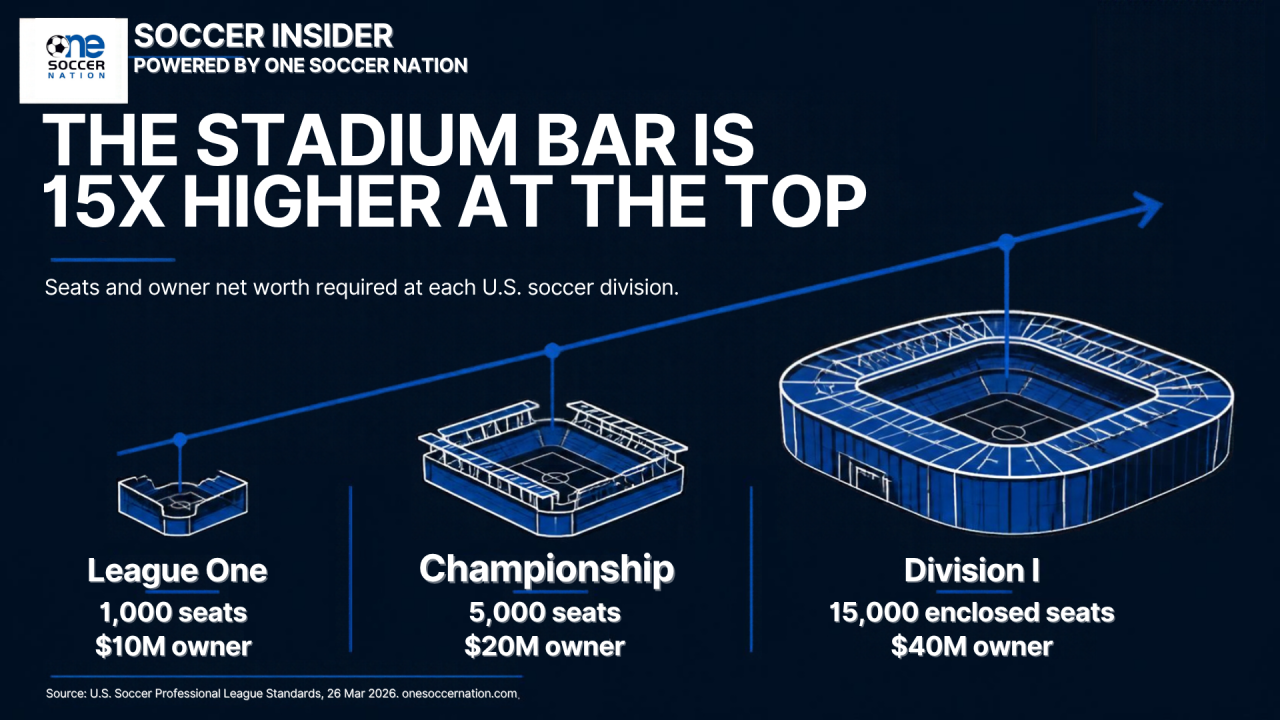
Meeting D1 Criteria: To secure official Division One sanctioning from U.S. Soccer, USL must meet measurable standards around minimum number of clubs across diverse geographic markets, stadium capacities and facilities, and financial viability of ownership groups.
Transition Dynamics: Existing USL clubs will need strategic upgrades or recapitalization to compete in a first division. That's where capital partners, stadium financing, and sponsorship frameworks become critically important.
Competitive Landscape: MLS-style closed systems are deeply entrenched, with significant media deals and brand equity. USL's ascension will depend on differentiating its product, attracting fans at scale, and navigating potential tensions between open-tier meritocracy and American sports culture.
Investor Takeaways
Scholes' appointment isn't symbolic - it's structural. It signals a decisive shift toward league-as-ecosystem, not league-as-tournament. Promotion and relegation can materially alter economic incentives, unlocking revenue opportunities tied to performance, fan engagement, and club valuation growth. Execution risk remains high, but the blueprint is clear.
For investors tracking soccer's evolution in North America, this is a turning point: the blueprint for building and scaling clubs may soon look more European in structure and American in ambition.
Free Industry Report
2026 USL Championship Attendance: Down 7.5%
The USL Championship average fell to 5,148 per match while MLS and USL League One grew. We checked every club figure and found venue control, not market size, predicts crowds.
Read the Report